

Australia Moves Forward With New Bill to Regulate Crypto Under Traditional Finance Laws
- Australia introduces a major bill to regulate crypto platforms under existing financial services laws
- New rules require exchanges and custody providers to obtain an AFSL license
- Bill aims to close loopholes and prevent frauds like FTX
- Framework introduces two new license categories: digital asset platforms and tokenized custody platforms
- Small-scale platforms with under $6.5M in yearly volume will be exempt
- Industry consultation supported the bill but urged clarity and simplification
- Proposed 18-month transition period to help businesses comply
- Bill expected to pass the House quickly due to Labor’s majority
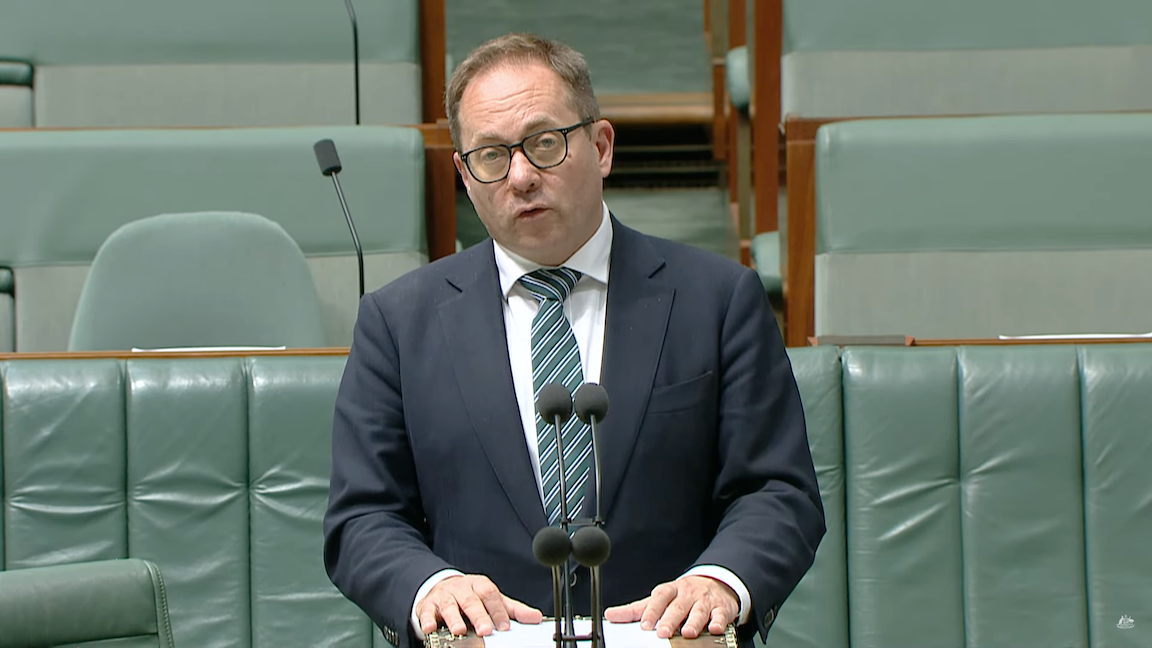
Australia is pushing ahead with a comprehensive regulatory overhaul for the country’s crypto sector after introducing a new bill that subjects digital asset platforms to the same legal standards as traditional financial institutions. Assistant Treasurer Daniel Mulino presented the Corporations Amendment (Digital Assets Framework) Bill 2025 to Parliament on Wednesday, framing the legislation as a critical step in aligning Australia with global developments in digital finance.
Mulino stressed that, as digital assets continue reshaping the global financial system, Australia must keep pace to protect investors and support innovation. The bill requires crypto exchanges, custody providers, and other digital asset businesses to obtain an Australian Financial Services License (AFSL), placing them under supervision by the Australian Securities and Investments Commission (ASIC). He noted that, under current rules, companies can hold large amounts of customer crypto without meaningful financial safeguards, leaving room for vulnerabilities that contributed to collapse events like FTX.
The legislation follows a Treasury consultation launched in September, which received broad but cautious support from the local crypto industry. Many firms agreed with the proposed regulatory framework but pushed for greater clarity, especially around compliance requirements and definitions.
Central to the bill are two new financial product categories: “digital asset platforms” and “tokenized custody platforms.” Businesses operating these platforms will need to register with ASIC and comply with minimum standards for transaction processing, settlement, custody, and risk management. Companies providing advisory or brokerage services for digital assets will also be treated as financial service providers requiring licensing.
Mulino emphasized that the framework targets businesses holding customer crypto—not blockchain technology itself—allowing the rules to adapt as tokenization and digital service models evolve. Platforms must also provide clear disclosures outlining their services, fees, and associated risks.
To avoid overburdening smaller operators, the bill includes exemptions for “small-scale” platforms handling under 10 million Australian dollars ($6.5 million) in transactions over a 12-month period, as well as companies whose crypto-related activity is incidental to their main business. The legislation also introduces an 18-month transition period, giving companies time to obtain licenses and update their compliance processes.
With the Labor Party holding a strong majority in the House, the bill is expected to pass quickly before moving to the Senate, where crossbench or opposition support may be required for final approval. If enacted, the framework would represent one of the most significant steps Australia has taken toward formalizing crypto regulation and aligning the industry with traditional financial safeguards.
Final Thought
Australia’s new regulatory push positions the country to become a more structured and competitive digital asset market. By bringing crypto platforms under the umbrella of financial services law, the government aims to protect consumers while encouraging responsible innovation—though the industry will be watching closely to see how the new rules are implemented.