China Regulator Urges Brokerages to Pause RWA Tokenization in Hong Kong
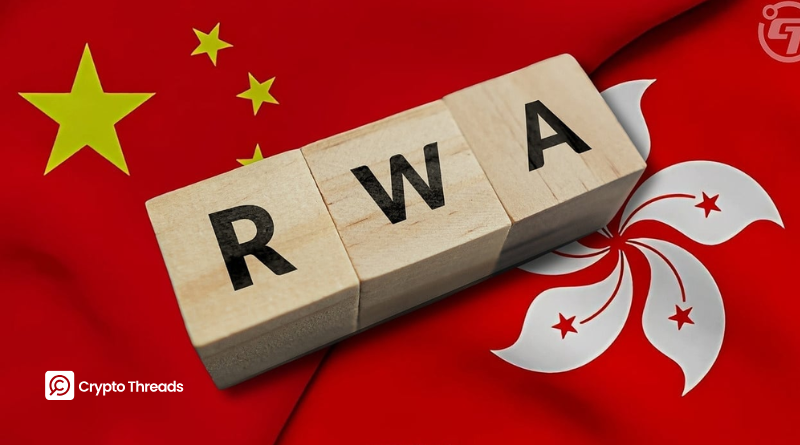
China’s securities watchdog is signaling caution on crypto once again, advising major brokerages to halt real-world asset tokenization efforts in Hong Kong.
- Guidance focuses on strengthening risk management and verifying business claims.
- A slowdown from major players could delay Hong Kong’s tokenization ambitions.
- Hong Kong pushes forward with RWA licensing while mainland China stays cautious post–2021 crypto ban.
- Europe, London, and Dubai continue to expand RWA initiatives despite China’s hesitation.
- RWA market already exceeds $13B and could reach $30T by 2030, according to industry forecasts.
Beijing is once again flexing its cautious stance on crypto-related innovation. According to a Reuters report, the China Securities Regulatory Commission (CSRC) has informally advised several leading brokerages to pause their real-world asset (RWA) tokenization initiatives in Hong Kong. The guidance is aimed at reinforcing risk management and ensuring that firms’ tokenization claims are backed by genuine operations.
At least two brokers have been contacted in recent weeks, but it remains unclear how long the pause will last or whether more firms will be approached. Chinese financial groups have been among the most active new entrants in Hong Kong’s burgeoning tokenization market, so a pullback by major players could dampen the city’s near-term issuance plans.
RWA tokenization involves converting traditional assets—such as bonds, funds, equities, or real estate—into blockchain-based tokens that investors can trade on-chain. Hong Kong has embraced the concept, publishing a policy blueprint to expand licensing and even setting up a framework for stablecoin issuers. Mainland China, however, has taken a more guarded approach since its 2021 ban on crypto trading and mining, even as it explores yuan-backed stablecoins for international use.

The timing is striking. Global financial hubs are racing to bring real-world assets onto blockchain rails. The European Commission is drafting tokenization proposals, the London Stock Exchange Group recently launched a blockchain platform for private funds and completed its first deal, and Dubai approved a tokenized money-market fund. Major financial service providers, including Binance and Franklin Templeton, are also partnering on tokenization efforts.
Despite Beijing’s caution, the RWA sector is gaining traction. The Block reports that tokenized asset products already hold more than $13 billion, and projections from Standard Chartered and Citi suggest the market could grow to $30 trillion by 2030.
Final Thought
China’s advisory underscores its careful stance toward digital asset innovation, even as Hong Kong and global markets push aggressively into RWA tokenization. The divergence highlights a growing gap between mainland policy and worldwide blockchain finance trends.