
DeFi Leaders Form Alliance to Advocate for Ethereum in US Policy Discussions
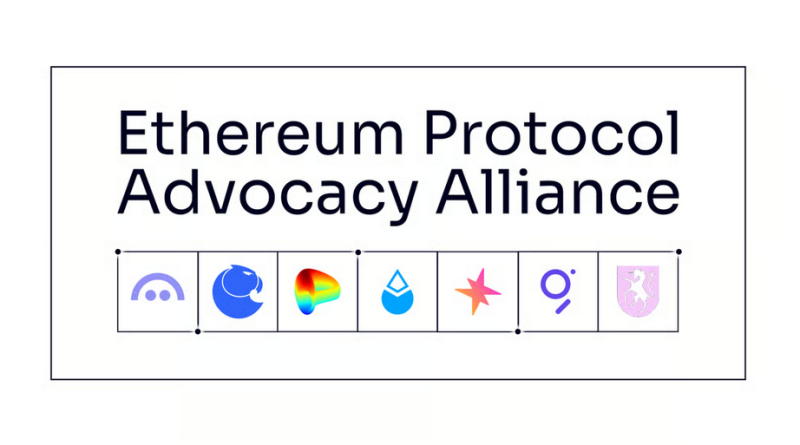
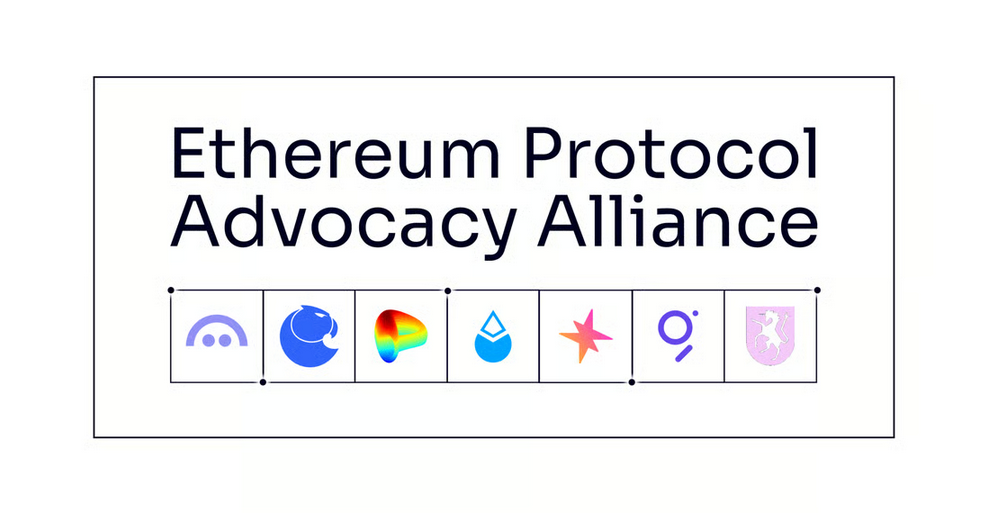
- Leading Ethereum DeFi teams formed the Ethereum Protocol Advocacy Alliance (EPAA).
- The goal is to educate policymakers and counter centralized crypto lobbying.
- Members include Aave Labs, Aragon, Curve, Lido, The Graph, Spark, and Uniswap.
- The Ethereum Foundation supports the initiative.
- The group plans to offer technical guidance and help shape regulatory conversations.
Major decentralized finance (DeFi) projects on Ethereum have joined together to create a new advocacy group focused on shaping how policymakers understand and regulate blockchain technology. The group, called the Ethereum Protocol Advocacy Alliance (EPAA), aims to provide clear communication and technical knowledge to lawmakers who may not fully understand how decentralized systems operate.
According to the EPAA, centralized crypto companies have had a stronger voice in US regulation discussions up until now. Because these companies control user funds or act as intermediaries, their needs and business interests often differ from the goals of decentralized networks. The alliance says this has caused DeFi and open blockchain protocols to be misunderstood or overlooked in policy debates.
The EPAA includes several well-known projects that secure large amounts of capital and are central to Ethereum’s ecosystem. Members include Aave Labs, Curve, Aragon, Spark, The Graph Foundation, the Uniswap Foundation, and the Lido Labs Foundation. Together, these protocols secure more than $100 billion in value and operate without centralized control.
The group has also received public support from the Ethereum Foundation, which said the initiative is an important step toward stronger community-led advocacy.
Part of the alliance’s work will involve explaining how decentralized systems work, contributing technical research to policy discussions, and coordinating efforts to communicate with lawmakers. Their goal is to ensure that future regulations recognize the difference between centralized crypto businesses and decentralized public networks like Ethereum.
This effort comes at a time when the Ethereum ecosystem is expanding into new areas. Recently, the Ethereum Foundation updated its grants program to make funding more strategic, and it launched a new portal to help onboard more institutions into Ethereum. These moves signal the network’s continued focus on growth, stability, and long-term adoption.
Final Thought
As regulations around crypto continue to develop, having a coordinated voice representing decentralized systems is becoming increasingly important. The EPAA aims to ensure Ethereum’s core values — openness, decentralization, and public infrastructure — are clearly understood by those shaping future policy.