
Ethereum Raises Block Gas Limit to 60M as Network Capacity Expands Ahead of Fusaka Upgrade
- Ethereum block gas limit increased to 60 million, the highest level in four years.
- Over 513,000 validators signaled support for the increase.
- Higher gas limits allow more transactions and smart contract actions per block.
- The change is part of the “Pump The Gas” community initiative.
- The Fusaka upgrade is set to enhance scalability in December.
- Ethereum leaders say this is only the beginning of a long-term capacity expansion.
Ethereum has reached a new milestone in its network performance as the mainnet block gas limit rose to 60 million. This marks the highest execution capacity the chain has seen in four years, signaling a major step in its scaling progress ahead of the upcoming Fusaka upgrade.
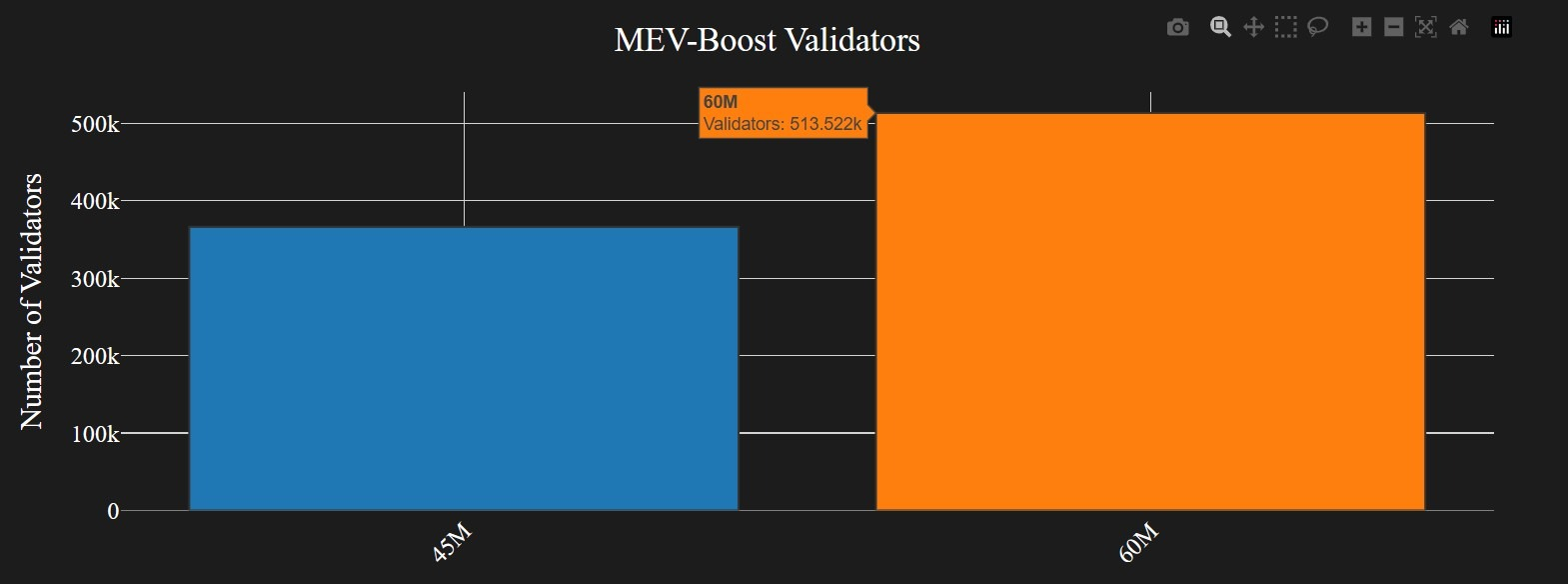
The increase became possible after more than 513,000 validators signaled support for raising the gas limit. Their approval triggered the protocol’s automatic adjustment, allowing the network to process more work inside every block. With a higher limit, Ethereum can include more swaps, token transfers and smart contract calls, helping reduce congestion during busy periods.
This change is part of a broader effort that started in early 2024. Developers and community members launched the “Pump The Gas” initiative, led by Eric Connor and Mariano Conti, to encourage validators, solo stakers and staking pools to support a higher gas limit. They argued that raising the limit could directly improve Ethereum’s scalability and help bring down fees at the base layer.
Momentum grew even more in December 2024, when validators began signaling for the network to move from the previous 45 million cap to 60 million. As more validators joined the effort, the effective block size grew automatically, immediately improving throughput. The shift shows strong alignment across the Ethereum ecosystem as the network prepares for its next major upgrade.
The timing is important because Ethereum is nearing the Fusaka upgrade, which aims to significantly improve scalability. The upgrade passed into the Hoodi testnet in late October and is scheduled to go live on the mainnet on December 3. Fusaka is expected to introduce smarter execution improvements that help Ethereum scale without adding new bottlenecks.
Community leaders say the 60 million limit is not the final target. Ethereum Foundation researcher Toni Wahrstätter highlighted that the network’s capacity doubled in a single year and that this marks “only the beginning” of a larger effort. He credited the coordination between developers, researchers and contributors for making the increase possible.
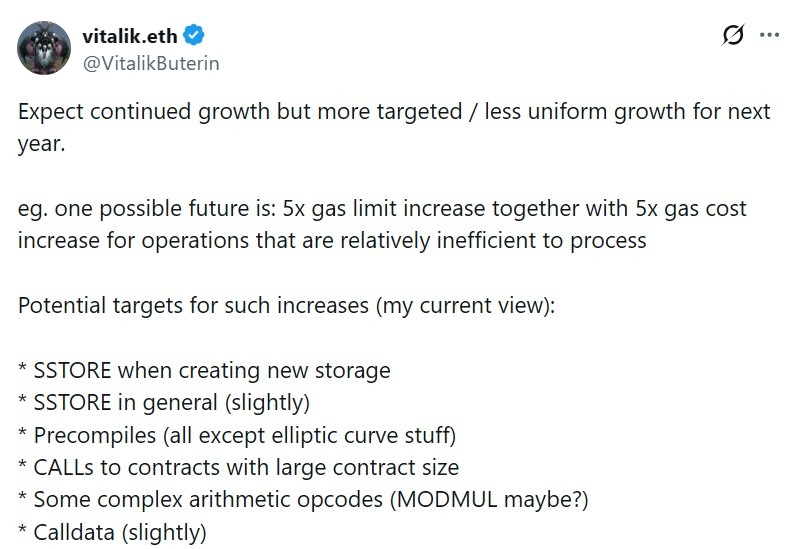
Ethereum co-founder Vitalik Buterin also commented on the change. He expects continued growth next year but in a more refined way. Instead of simply raising limits uniformly, he suggested future improvements will focus on smart adjustments—expanding overall capacity while making inefficient operations more costly. This approach aims to increase scalability safely, without introducing new risks or network instability.
The increase to 60 million gas demonstrates that the Ethereum community is committed to scaling the base layer while supporting an expanding global user base. With Fusaka approaching and ongoing efforts to fine-tune execution, Ethereum is entering a new phase of capacity growth.
Final Thought
The jump to a 60 million gas limit marks a major milestone, but it’s just the start of Ethereum’s next phase of scaling. With Fusaka on the way and ongoing focus on smarter execution design, the network is preparing for much larger demand while keeping stability and safety in mind.