Senate Crypto Bill Confirms Tokenized Stocks Are Securities
Key Takeaways:
• Tokenized stocks remain classified as securities under new Senate bill
• The Responsible Financial Innovation Act splits oversight between SEC and CFTC
• Senator Cynthia Lummis pushes for a full vote before year-end
• Crypto firms urge lawmakers to protect developers and non-custodial providers
Senate Moves to Cement Tokenized Stocks as Securities
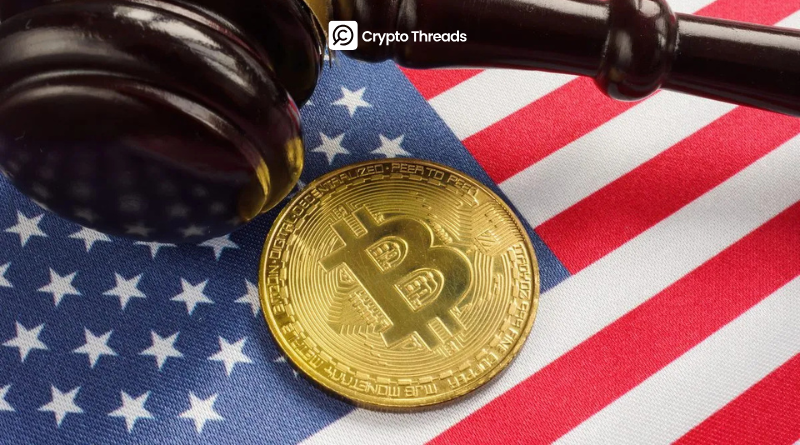
The U.S. Senate has taken a decisive step to end uncertainty around tokenized assets by adding a clause to its crypto market structure bill that explicitly confirms tokenized stocks will remain classified as securities. The update, introduced on Friday, removes doubts about whether tokenized equities should fall under commodities oversight and ensures that they continue to fit seamlessly into existing frameworks for broker-dealers, clearing systems, and securities trading platforms.
Wyoming Senator Cynthia Lummis, one of the lead sponsors of the bill, underlined the urgency of passing the legislation quickly. She told CNBC that lawmakers want the measure on the president’s desk before the end of the year. This statement reflects the growing recognition in Washington that tokenization is no longer a futuristic concept but a present reality requiring immediate legal clarity.
The decision to lock tokenized stocks within securities law arrives at a pivotal time for financial innovation. Banks, asset managers, and fintech firms are all experimenting with blockchain-based representations of traditional assets. Without clear rules, these initiatives risk stalling under regulatory confusion. The Senate’s move is designed to prevent that outcome, offering reassurance to both institutions and investors that tokenized assets will not upend long-standing market protections.
SEC-CFTC Split and Developer Protections
The broader legislation, named the Responsible Financial Innovation Act of 2025, aims to define the balance of power between the Securities and Exchange Commission and the Commodity Futures Trading Commission. The long-standing turf battle between these two agencies has been one of the most significant sources of uncertainty for digital asset markets.
Senator Lummis explained that the Senate Banking Committee will vote on SEC-related provisions this month, while the Agriculture Committee is scheduled to address CFTC oversight in October. A full Senate vote could follow as early as November. Although Democrats have not yet formally lined up behind the measure, bipartisan talks are progressing, with efforts underway to match lawmakers from both parties on specific issues to secure broader support.
At the same time, the crypto industry is pressing senators to go further. In August, a coalition of 112 crypto firms, investors, and advocacy organizations sent a letter to the Banking and Agriculture Committees calling for explicit protections for software developers and non-custodial service providers. The group, which included Coinbase, Kraken, Ripple, a16z, and Uniswap Labs, warned that outdated financial definitions risk treating these actors as intermediaries, exposing them to unnecessary regulation.
Their warning is backed by data showing a shrinking U.S. footprint in blockchain development. Electric Capital’s research reveals that America’s share of open-source blockchain developers has fallen from 25 percent in 2021 to 18 percent in 2025. Without stronger assurances, the exodus of developer talent could accelerate, leaving the U.S. trailing rivals in the race to build the next generation of financial infrastructure.
By clarifying tokenized securities, setting the boundaries between the SEC and CFTC, and confronting calls for developer protections, the Senate is attempting to establish a comprehensive framework for digital assets. Whether it succeeds will depend on the ability to strike a balance between safeguarding investors and fostering innovation. The outcome will determine not only the future of tokenized stocks but also the position of the United States as a leader in the global crypto economy.