
Self-Custody Meets KYC: Tangem Pay Launches Visa Payments With Paera
- Tangem launches Tangem Pay, a virtual Visa card connected directly to its self-custody hardware wallet.
- Users can spend USDC on the Polygon network at any merchant that accepts Visa.
- Supports Apple Pay and Google Pay for fast payments.
- Available in 42 countries at launch, with more regions coming later.
- Tangem Pay includes KYC for the payment account, but wallet self-custody remains untouched.
Tangem, a well-known self-custody hardware wallet provider, has announced Tangem Pay, a new payment feature that combines crypto self-custody with real-world spending. The service is launched in partnership with Paera, a U.S. payment infrastructure company.
With Tangem Pay, users can load USDC (Circle’s U.S. dollar stablecoin) on the Polygon network and make payments anywhere Visa is accepted. This means users can finally spend their crypto directly at millions of merchants worldwide, without first converting to bank money. The virtual Visa card also works with Apple Pay and Google Pay, making daily payments simple and familiar.
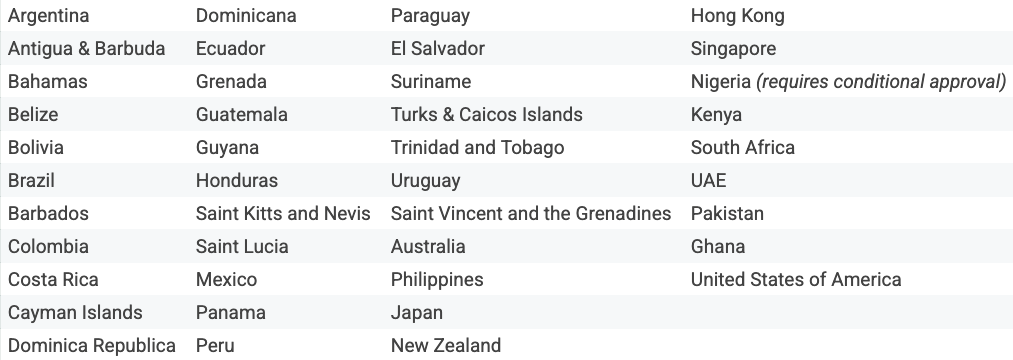
Tangem Pay will begin issuing cards in late November, covering regions like the United States, Latin America, and Asia-Pacific, with European availability planned for 2026. At launch, users in 42 countries, including Australia, Singapore, Brazil, Japan, Hong Kong, and the U.S., will already have access.
This launch is part of Tangem’s broader strategy to complete the full crypto experience:
Store → Grow → Spend.
Users store crypto in the Tangem hardware wallet, potentially grow value through blockchain activities, and now spend crypto on everyday purchases.
However, while Tangem’s hardware wallet is fully self-custodial and requires no identity verification, Tangem Pay does require KYC. The wallet and the payment card are handled separately. The private keys always remain on the hardware wallet, and Tangem claims it cannot access wallet funds or personal data.
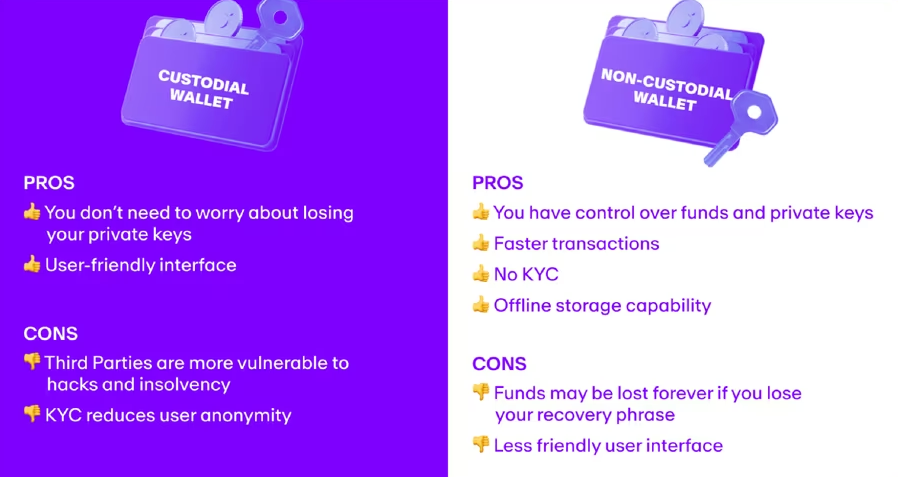
If a user is flagged for illegal activity, the payment card can be disconnected from the Visa network by the regulatory partner, but the wallet remains in the user’s control, maintaining the principle of true self-custody.
The payment and compliance system is supported by Rain, which is also working with Western Union on new stablecoin settlement infrastructure expected to launch in 2026.
This move shows a growing trend in crypto: bringing real spending power to self-custody wallets, while still working within regulatory standards.
Final Thought
Tangem Pay represents a major step in the push to make cryptocurrency usable in everyday life. By connecting a self-custodial wallet to global payment rails like Visa, Tangem is helping bridge the gap between decentralized finance and real-world convenience. While the KYC requirement may feel like a compromise, the core wallet remains private and fully controlled by the user—keeping true to the self-custody mission.