Measuring Crypto in Satoshis with DEXTools
In crypto markets, small decimal points and volatile fiat conversions often obscure meaningful signals. A token quoted at $0.0023 or 0.0000012 ETH can feel abstract, leaving traders and builders guessing whether a price move is significant. DEXTools’ tSAT Initiative addresses this challenge by introducing a crypto-native lens: measuring value and activity in satoshis, the smallest unit of Bitcoin (1 BTC = 100,000,000 satoshis). By standardizing analytics in satoshis, tSAT allows for clearer interpretation of liquidity, volume, and token pricing across chains and ecosystems.
What is tSAT?
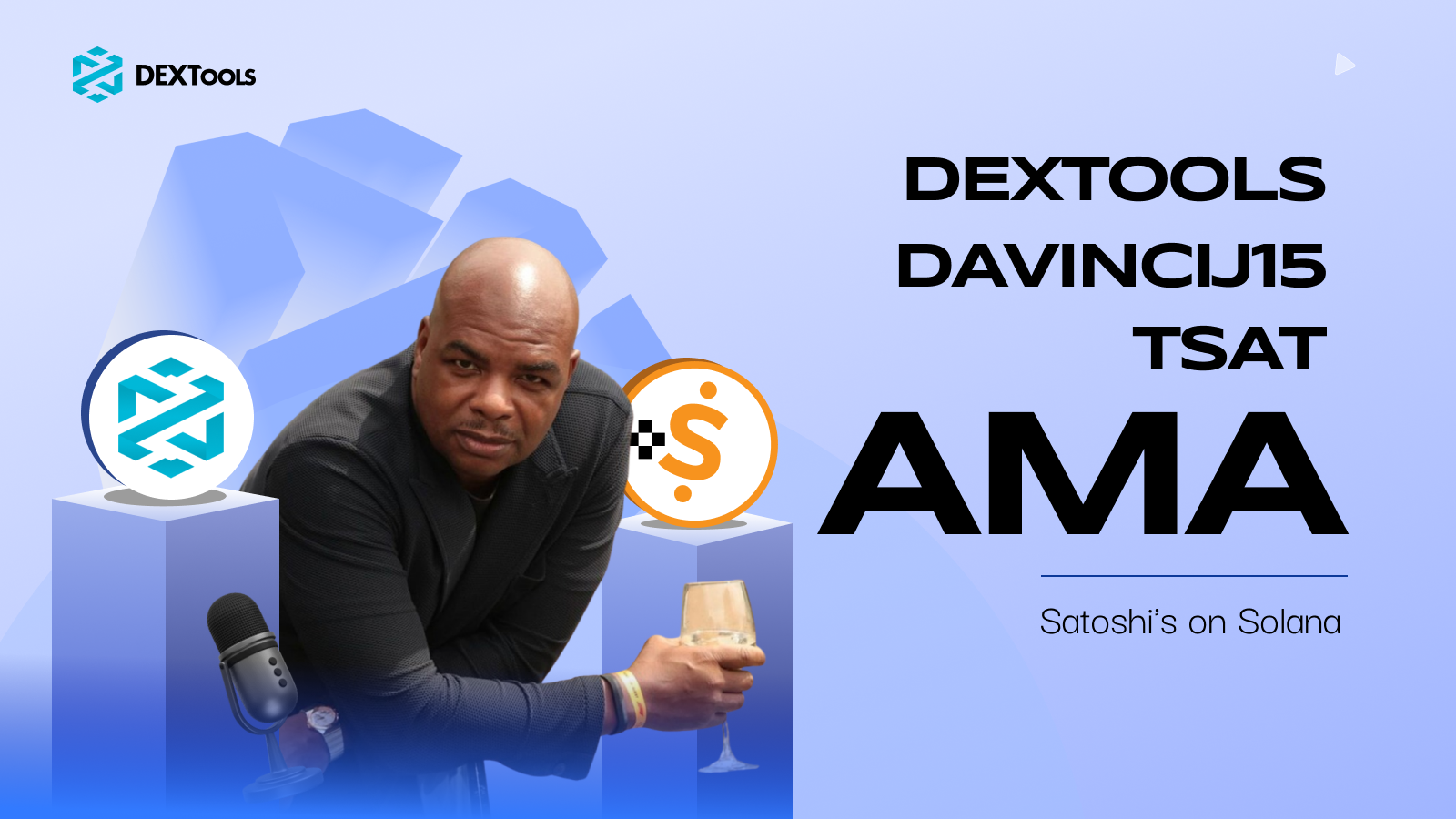
tSAT, short for token SAToshis, is a standardized metric that expresses token prices, trading activity, and on-chain data in satoshis rather than in USD or other native token pairs such as ETH or BNB. For example, instead of quoting a token at $0.0023, tSAT presents it as 230 satoshis. By anchoring measurements to Bitcoin’s smallest unit, tSAT removes noise caused by fiat fluctuations or intermediary token conversions, providing a consistent baseline for comparison across different chains and ecosystems. This approach is particularly useful for traders, analysts, and builders seeking a crypto-native reference that accurately reflects market activity.
How DEXTools Calculates tSAT
DEXTools computes tSAT values in real time using data aggregated from decentralized exchange (DEX) feeds, liquidity pools, and trading history. The process begins with referencing BTC liquidity by identifying reliable BTC pairs or bridge-derived BTC price feeds on each chain. For chains without native BTC liquidity, wrapped BTC (wBTC) pairs or oracle-based cross-chain feeds are utilized. Token prices are then normalized to BTC, avoiding unnecessary conversions through volatile intermediaries like ETH or stablecoins. Finally, BTC-equivalent prices are multiplied by 100,000,000 to convert them into satoshis, and related metrics such as volume, liquidity depth, and slippage are also expressed in the same unit. By standardizing all metrics to satoshis, DEXTools provides a consistent, transparent view of on-chain economic activity, free from distortions caused by fiat movements.
Why Measuring in Satoshis Matters

Measuring tokens in satoshis offers several key advantages. It enables traders to compare assets across chains without relying on USD conversions, which is especially valuable during stablecoin depegs or temporary cross-chain price discrepancies. For low-priced or microcap tokens, tSAT eliminates confusing decimal precision and makes meaningful price movements easier to interpret. In addition, isolating token performance from fiat volatility allows traders to focus on actual crypto market dynamics. Expressing liquidity and slippage in satoshis also gives a more direct view of the cost of entering or exiting positions, providing clearer risk signals for active traders.
Practical Use Cases for Traders and Builders
tSAT is a versatile tool with applications across trading and development. For traders, comparing token prices across DEXs in satoshis can reveal arbitrage opportunities that may be hidden when using different base pairs or fiat conversions. Microcap token analysis becomes more transparent, helping identify whether a token’s “low price” is genuinely valuable or merely cosmetic. Builders working on bridges, aggregators, or analytics platforms can use tSAT to standardize metrics across chains, reducing valuation inconsistencies caused by differing base tokens or fiat conversions. Even DAOs holding diverse token portfolios can report treasury value in satoshis, emphasizing crypto-native valuation rather than fiat-driven fluctuations.
Caveats and Considerations
While tSAT reduces fiat noise, it relies on accurate BTC references on each chain. Chains with limited BTC liquidity must rely on wrapped BTC or oracle feeds, introducing additional external risk. Furthermore, tSAT does not eliminate systemic crypto risks such as smart contract vulnerabilities, rug pulls, or bridge failures. Traders and builders should treat tSAT as a complement to, rather than a replacement for, traditional multi-metric analysis and due diligence.
Accessing tSAT on DEXTools
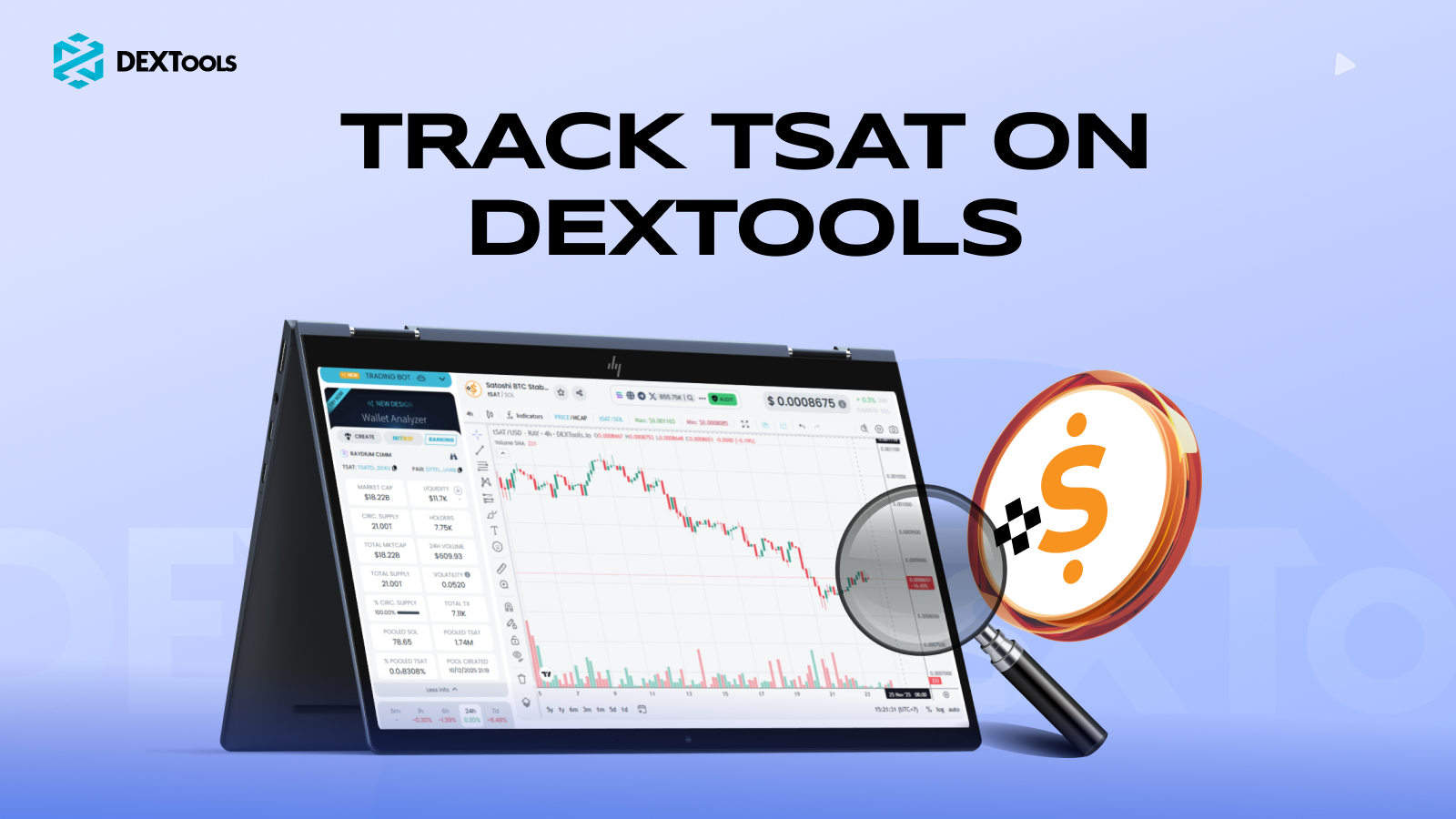
DEXTools users can enable tSAT display mode directly in price panels and pair analytics views. Once activated, token prices, 24-hour volume, and liquidity depth are shown in satoshis, with an optional USD overlay for context. Visual examples on dashboards or screenshots illustrate how tSAT appears across token lists and detailed pair pages, allowing users to explore market activity in a standardized, crypto-native format.
Conclusion
The tSAT Initiative represents a significant step toward standardized, crypto-native analytics. By unifying measurements in satoshis, DEXTools empowers traders to see through fiat noise, compare tokens across chains more consistently, and build tools that communicate in a shared, stable unit. Whether trading microcap tokens, running market-making algorithms, or developing cross-chain analytics, tSAT offers a clear and practical yardstick. Activate tSAT mode in DEXTools today to explore your favorite pairs in a crypto-native perspective and gain sharper insights into market dynamics.