
US Congressman Calls Crypto a Scam, Backs CBDC Instead

Key Takeaways:
- US Democratic congressmen view cryptocurrency as a “scam” with no legitimate use cases
- Lawmakers promote CBDC development instead of cryptocurrency
- President Trump banned CBDC through executive order in January
- Different countries have divided views on CBDC implementation
During a press conference held on Wednesday, US Democratic lawmakers made harsh statements about cryptocurrency, describing it as a blatant “scam,” while simultaneously calling for the advancement of central bank digital currency (CBDC) development and deployment.
Democratic Congressmen’s Perspective

Representative Maxine Waters strongly criticized the Anti-Surveillance State CBDC Act—a bill aimed at banning the creation of government-controlled digital dollars. Waters called it an “anti-innovation act” and warned that this bill, along with the GENIUS stablecoin bill, would “endanger our national security.”
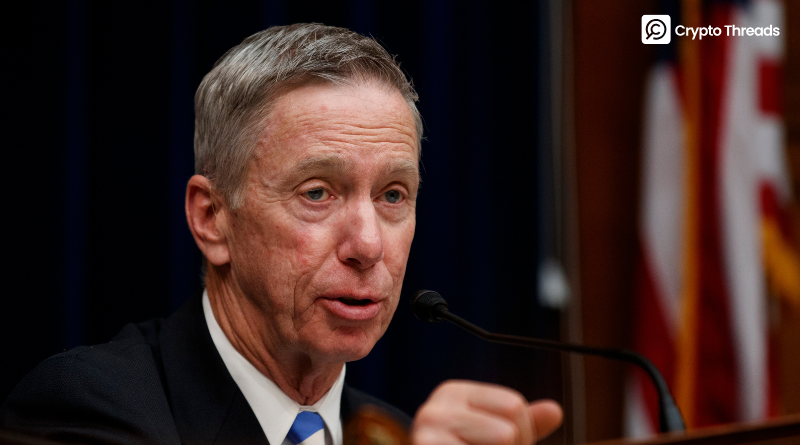
Representative Stephen Lynch, who also attended the press event, made even stronger statements about cryptocurrency:
“As a committee, we find that there are currently no legitimate use cases for cryptocurrency, unless you count the illegal activities of every ransomware theft that has affected US businesses, which has been promoted and facilitated by cryptocurrency.”
Lynch continued to emphasize: “This is an extremely risky and volatile product that is not suitable for an efficiently operating and tightly regulated financial system. The entire industry is a scam.”
US Political Context

Notably, President Donald Trump signed an executive order banning CBDC in January, creating a complex political landscape around digital currency issues.
In February, Federal Reserve Chairman Jerome Powell testified at a Senate hearing that the central bank would not develop CBDC during his tenure.

International Perspectives on CBDC

While the United States is engaged in heated debates, other countries around the world are proceeding with digitizing their fiat currencies for various reasons. They often cite the need to make their currencies competitive in the digital age while maintaining sovereign control over currency and not delegating issuance to a third-party stablecoin company.
India Expands CBDC Testing
The Reserve Bank of India, the country’s central bank, announced that it would expand CBDC trials in May to focus on new use cases for its digital rupee.
Australia Tests Wholesale CBDC
In July, Australia’s central bank revealed plans to test wholesale CBDC in a closed experiment with selected institutions.
UK Takes Cautious Approach
Bank of England Governor Andrew Bailey recently stated that the UK central bank should not issue CBDC, citing that it could destabilize the banking system. Bailey added that the Bank of England should focus on deposit tokenization.
Conclusion
The debate over cryptocurrency and CBDC in the United States reflects deep divisions in political and economic perspectives. While Democratic congressmen view cryptocurrency as a threat and support CBDC, the Trump administration has taken the opposite stance. Globally, countries are taking different approaches to currency digitization, creating a diverse picture of the future of digital money.