


What is a Short Bitcoin ETF? - Complete Guide

A short Bitcoin ETF is a specialized exchange-traded fund designed to deliver returns when Bitcoin’s price declines over short time periods. Instead of benefiting from rising prices like traditional ETFs, this type of fund is structured to move in the opposite direction of Bitcoin’s daily price movements. Short Bitcoin ETFs allow investors to express a bearish view on Bitcoin or hedge existing crypto exposure through a regulated investment vehicle, without directly engaging in margin trading or borrowing Bitcoin to sell short.
Unlike spot Bitcoin ETFs, which hold Bitcoin directly, short Bitcoin ETFs rely on financial derivatives to achieve inverse exposure. This distinction makes them fundamentally different not only in structure, but also in intended use, risk profile, and suitability for different types of investors.
Understanding Short Bitcoin ETFs
To truly grasp what a short Bitcoin ETF represents, we need to start with the fundamental building blocks. An exchange-traded fund, commonly known as an ETF, serves as a type of investment fund with shares that trade on stock exchanges, much like individual stocks that you might buy and sell in your regular brokerage account.
Now, let's explore what makes a short ETF unique. A short ETF operates with a specific design purpose: to benefit from the decline in value of an underlying asset or index. Think of this as "betting in reverse" - instead of hoping for prices to rise, you're expecting them to fall. Traditionally, investors can go "short" on an asset through a complex process of borrowing it and selling it at the current market price, then hoping to buy it back later at a lower price to profit from the difference. Short ETFs elegantly simplify this intricate process, allowing investors to bet against an asset without directly engaging in the complicated borrowing and selling mechanics.
Key characteristics include:
- The ETF seeks inverse daily performance of Bitcoin’s price.
- Gains occur when Bitcoin declines; losses occur when Bitcoin rises.
- Exposure is typically achieved through derivatives such as futures contracts, swaps, or other inverse instruments rather than direct Bitcoin ownership.
Therefore, a short Bitcoin ETF aims to profit from a decrease in Bitcoin's price. This represents a financial tool that allows you to "make money when Bitcoin loses value" in a straightforward and accessible manner.
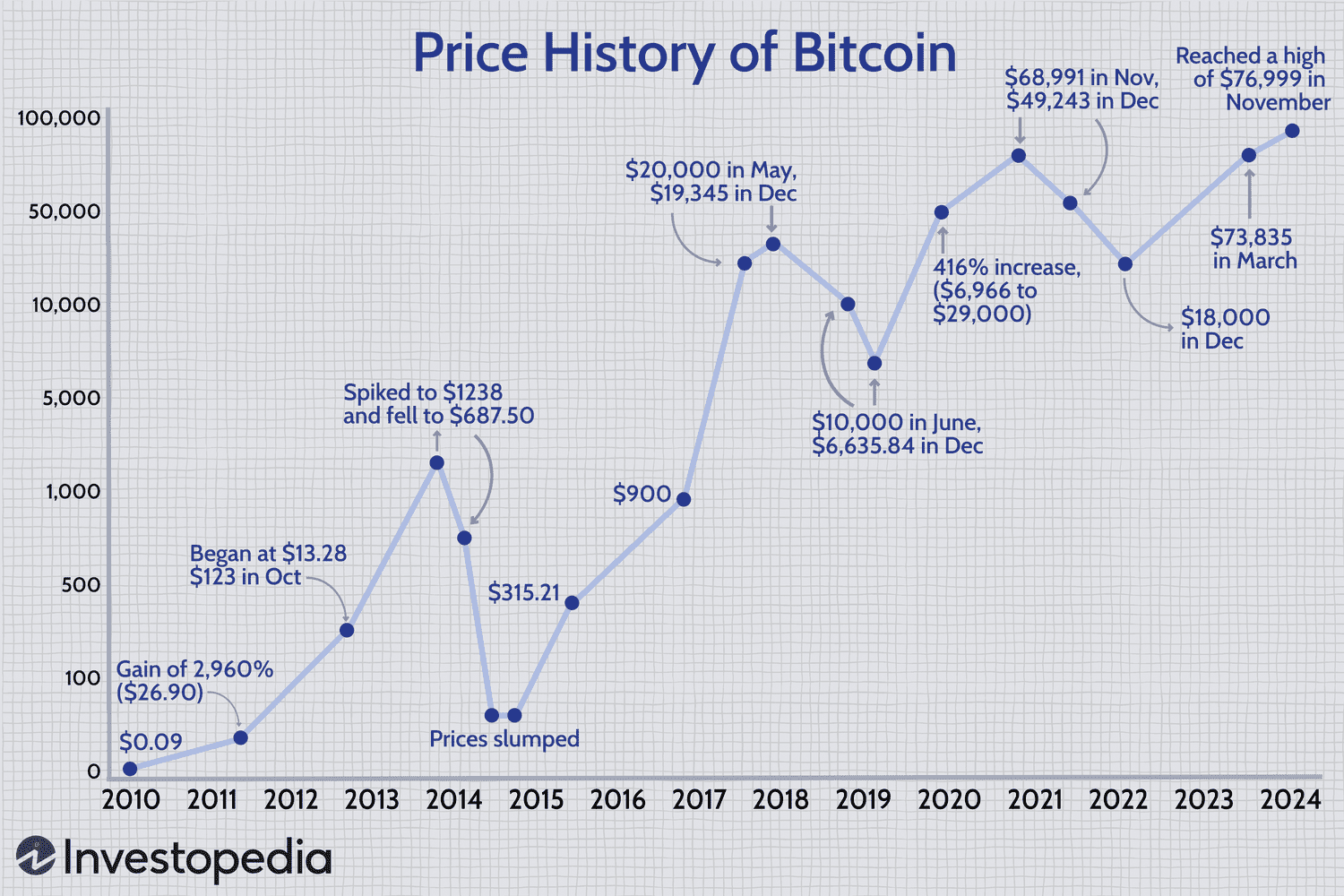
Several compelling reasons drive investors toward this type of ETF. Let's examine each primary motivation in detail to understand the strategic thinking behind these investment decisions.
Profiting from bearish market conditions stands as the first and most prominent reason. When an investor believes that Bitcoin's price will decline in the near future, they can use a short ETF to transform this prediction into actual profits. This approach proves particularly valuable during periods of market pessimism or when negative news affects Bitcoin's outlook.
Offsetting portfolio losses represents a sophisticated risk management strategy. Imagine you've already invested money in Bitcoin or other cryptocurrencies. By holding a position in a short Bitcoin ETF, you can mitigate losses if the cryptocurrency market experiences a downturn. This functions similarly to purchasing insurance for your investments, providing a buffer against adverse market movements.
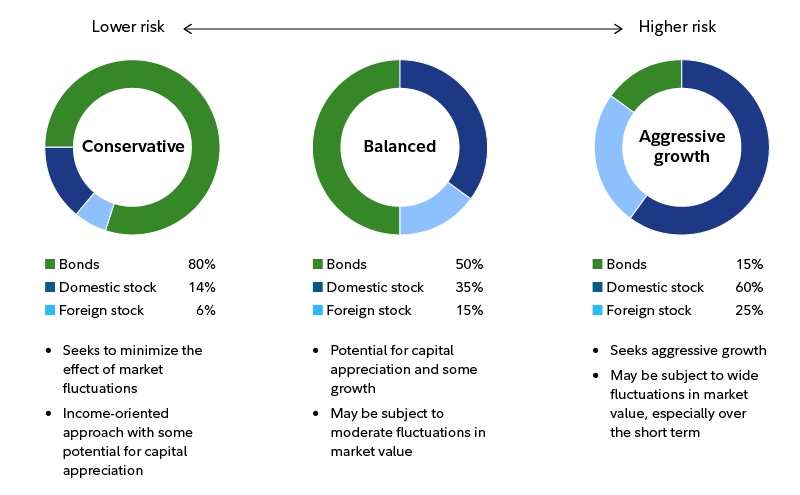
Portfolio diversification embodies a fundamental principle of sound investing. Diversification means spreading investments across different assets to reduce overall risk exposure. Having both long positions (expecting price increases) and short positions (expecting price decreases) can help balance the risk profile of your investment portfolio, creating a more stable foundation for your financial goals.
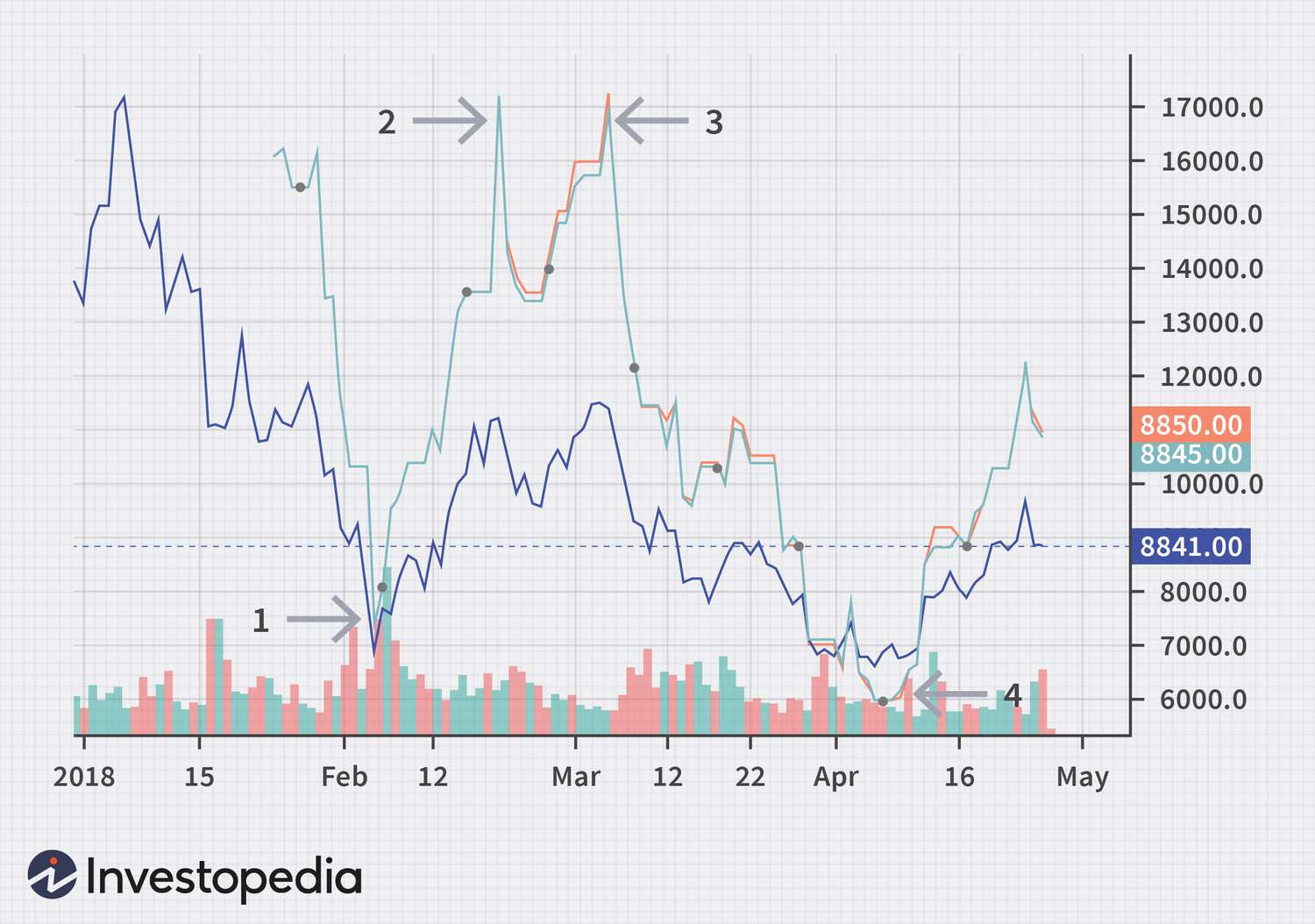
Tactical trading strategies enable traders to capitalize on short-term price movements in the cryptocurrency market. For example, a trader might short Bitcoin during anticipated downtrends, then switch to "going long" when they spot signals indicating an upward trend. This approach allows them to profit from market volatility in both directions, maximizing opportunities regardless of market direction.
How Does a Short Bitcoin ETF Work?
Short Bitcoin ETFs are designed to deliver inverse exposure on a daily basis, not over long holding periods.
In practice:
- The fund uses derivatives to target the opposite of Bitcoin’s daily price movement.
- If Bitcoin falls by approximately 1% in a day, a non-leveraged short Bitcoin ETF aims to rise by about 1% for that same day.
- At the end of each trading day, the ETF resets its exposure, recalibrating its positions for the next day.
Because of this daily reset mechanism, performance over longer periods can diverge significantly from simply “the opposite of Bitcoin’s long-term return,” especially during volatile markets.
Read more: What Are Leveraged Spot Bitcoin ETFs?
Why Do Investors Use Short Bitcoin ETFs?
Investors typically use short Bitcoin ETFs for specific, short-term purposes, including:
- Profiting from bearish market views
Traders who expect Bitcoin prices to decline over a short horizon may use short ETFs to express that view efficiently. - Portfolio hedging
Investors with existing Bitcoin or crypto exposure may use a short Bitcoin ETF to offset potential losses during anticipated downturns. - Tactical trading strategies
Short ETFs can be part of active trading strategies that aim to capitalize on market volatility rather than long-term price appreciation. - Risk management without direct short selling
These ETFs provide inverse exposure without the operational and regulatory complexity of margin accounts or direct asset borrowing.
Distinguishing Short Bitcoin ETFs from Spot Bitcoin ETFs
To develop a deeper understanding of short Bitcoin ETFs, comparing them with spot Bitcoin ETFs helps illuminate the fundamental differences between these investment approaches.
Short Bitcoin ETFs are specifically engineered to benefit from Bitcoin price declines. When Bitcoin's price drops by 10%, the value of this ETF might increase by approximately 10% (depending on the fund's specific structure and methodology).
Spot Bitcoin ETFs, in contrast, provide direct exposure to Bitcoin's actual price movements. This means their value fluctuates in the same direction as Bitcoin's price. When Bitcoin increases in value, these ETFs also increase, and when Bitcoin decreases, these ETFs follow suit.
This fundamental difference resembles comparing two elevators moving in opposite directions - one goes up precisely when the other goes down, creating inverse relationships that serve different investment objectives.
This comparison requires us to delve deeper into the distinct nature of each ETF type, as the differences here are more nuanced and complex.
Short Bitcoin ETFs maintain a clear and singular objective: profiting when Bitcoin's price declines. Investors in this type of ETF are taking a bearish stance on Bitcoin, and their potential profits derive from Bitcoin's price deterioration. However, if Bitcoin's price rises significantly, losses can be substantial. These ETFs may employ various financial instruments such as short selling, options, or other derivatives to achieve their goal.
Bitcoin futures ETFs operate through an entirely different mechanism. These ETFs invest in Bitcoin futures contracts - financial derivatives whose value is determined based on Bitcoin's expected future price. The interesting aspect is that investors in Bitcoin futures ETFs can potentially profit from both Bitcoin price increases and decreases, depending on the positions taken within the futures contracts.
However, it's crucial to understand that like any derivative product, futures contracts carry their own inherent risks, including market volatility and potential for losses. The complexity of futures contracts requires investors to have a solid understanding of how these instruments work before committing capital.
Both types of ETFs may be subject to regulatory approval and oversight, and the legal environment for these financial products can vary significantly between different countries and jurisdictions.
Real-World Examples of Short Bitcoin ETFs
To make these concepts more concrete and tangible, we can examine actual products currently operating in the market.
The 21Shares Short Bitcoin exchange-traded product and the BITI Short Bitcoin Strategy ETF from ProShares serve as two prominent examples. These products are designed to track the inverse performance of Bitcoin, meaning they move in the opposite direction of Bitcoin's price movements.
Critical Risks to Consider
Investing in short Bitcoin ETFs is not a risk-free path. Understanding the potential hazards is absolutely essential before making any investment decisions, as these risks can significantly impact your financial well-being.
Market risk represents the primary and most significant danger. If Bitcoin's price increases instead of decreasing as predicted, investors in short Bitcoin ETFs will incur losses. What makes this particularly concerning is that unlike traditional investments where losses are capped at your initial investment amount, short positions can theoretically lead to unlimited losses if the asset's price rises dramatically.
Leverage risk emerges when some short ETFs use leverage to amplify returns. However, leverage operates as a double-edged sword - it can magnify both profits and losses. If the market moves against your short position, leverage can cause significant financial damage, potentially exceeding your initial investment.
Interest rate risk affects short Bitcoin ETFs that involve borrowing assets to create short positions. These borrowing costs can accumulate over time, gradually eroding the overall returns of your investment. Think of this as a slowly leaking bucket - even if your directional bet is correct, these costs can diminish your profits.
Counterparty risk arises from the complex financial derivatives and instruments that short ETFs often employ. There's always a possibility that the entity providing the derivative may not fulfill its obligations, leading to unexpected losses for investors. This risk highlights the importance of understanding who stands behind the financial products you're investing in.
Regulatory and legal risks prove particularly important in the cryptocurrency space. The legal environment for cryptocurrencies and related financial products continues evolving rapidly. Changes in regulations or legal issues can seriously impact a short Bitcoin ETF's ability to operate or affect the value of underlying assets. This regulatory uncertainty adds another layer of complexity to these investments.
Liquidity risk influences your ability to buy and sell the ETF easily. The liquidity of the short Bitcoin ETF itself and the underlying assets it holds can impact your ability to enter or exit positions at desired prices. In illiquid markets, you might encounter wider bid-ask spreads and higher trading costs, which can erode your returns even if your market direction prediction proves correct.
Essential Advice for Investors
Before participating in short Bitcoin ETF investments, conducting thorough research and understanding the specific features of the product you're considering becomes absolutely crucial. Take time to carefully assess your personal risk tolerance and ensure this type of investment aligns with your overall financial objectives.
Consulting with experienced financial professionals can provide valuable insights into the potential risks and rewards associated with using short Bitcoin ETFs. They can help you develop an appropriate investment strategy and manage risks effectively, taking into account your unique financial situation and goals.
Remember that the cryptocurrency market is renowned for its high volatility, and short Bitcoin ETFs can amplify both opportunities and risks. Responsible investing with a well-thought-out plan will help you achieve your financial goals sustainably, while protecting you from potentially devastating losses that could derail your financial future.
This guide is published on CryptoThreads, a platform dedicated to explaining crypto-related investment products within established regulatory and market frameworks. The focus is on structure, risk, and investor suitability rather than speculative narratives, which is particularly important when discussing complex instruments such as inverse and derivatives-based ETFs.
The analysis is authored by ByteByByte, whose work centers on data-driven evaluation of digital asset markets and exchange-traded products. Drawing on prior market analysis of inverse and futures-linked funds, the discussion emphasizes how structural mechanics—such as daily resets and volatility effects—shape real-world outcomes for investors.
Conclusion
Short Bitcoin ETFs are specialized financial instruments designed for short-term, tactical use rather than long-term investment. They allow investors to express bearish views on Bitcoin or hedge existing exposure through regulated ETF structures. However, their daily reset mechanism, sensitivity to volatility, and reliance on derivatives make them unsuitable for many investors. Understanding these structural features is essential before using short Bitcoin ETFs as part of any investment strategy.
Source:
- ProShares – Short Bitcoin Strategy ETF (BITI)
https://www.proshares.com/our-etfs/strategic/biti- SEC – Inverse and Leveraged ETFs Explained
https://www.sec.gov/investor/pubs/leveragedetfs-alert.htm- Investopedia – Inverse ETF Definition
https://www.investopedia.com/terms/i/inverse-etf.asp- CME Group – Bitcoin Futures Overview
https://www.cmegroup.com/markets/cryptocurrencies/bitcoin/bitcoin.html
FAQs
A short Bitcoin ETF uses inverse exposure through derivatives to benefit from Bitcoin’s daily price declines. When Bitcoin drops during a trading day, the ETF’s structure is designed to generate a corresponding positive return for that day.
