


What Is a Spot Bitcoin ETF? How It Works, Approval & Key Differences

Summary
A spot Bitcoin ETF directly owns Bitcoin on behalf of investors, with the fund’s shares reflecting the spot market price of Bitcoin rather than futures contracts. This structure eliminates futures-related roll costs but introduces considerations around custody, storage, and regulatory oversight.
How Does a Spot Bitcoin ETF Work?
A spot Bitcoin ETF operates by directly purchasing and holding Bitcoin on behalf of its investors. The ETF issuer acquires the cryptocurrency at current market prices and stores it through regulated custodial partners, typically using institutional-grade cold storage to ensure security and compliance.
Each ETF share represents a proportional interest in the Bitcoin held by the fund. As Bitcoin’s spot market price fluctuates, the fund’s net asset value (NAV) adjusts accordingly, allowing the ETF to closely track real-time price movements. Investors can buy and sell shares of the ETF on traditional stock exchanges during normal trading hours, just as they would with stocks or other exchange-traded funds.
By holding Bitcoin directly rather than relying on futures contracts, a spot Bitcoin ETF avoids derivatives-related complexities such as contract rollovers or tracking discrepancies. This structure provides direct price exposure to Bitcoin while removing the need for investors to manage wallets, private keys, or blockchain transactions themselves.
Why Would Investors Choose a Spot Bitcoin ETF?
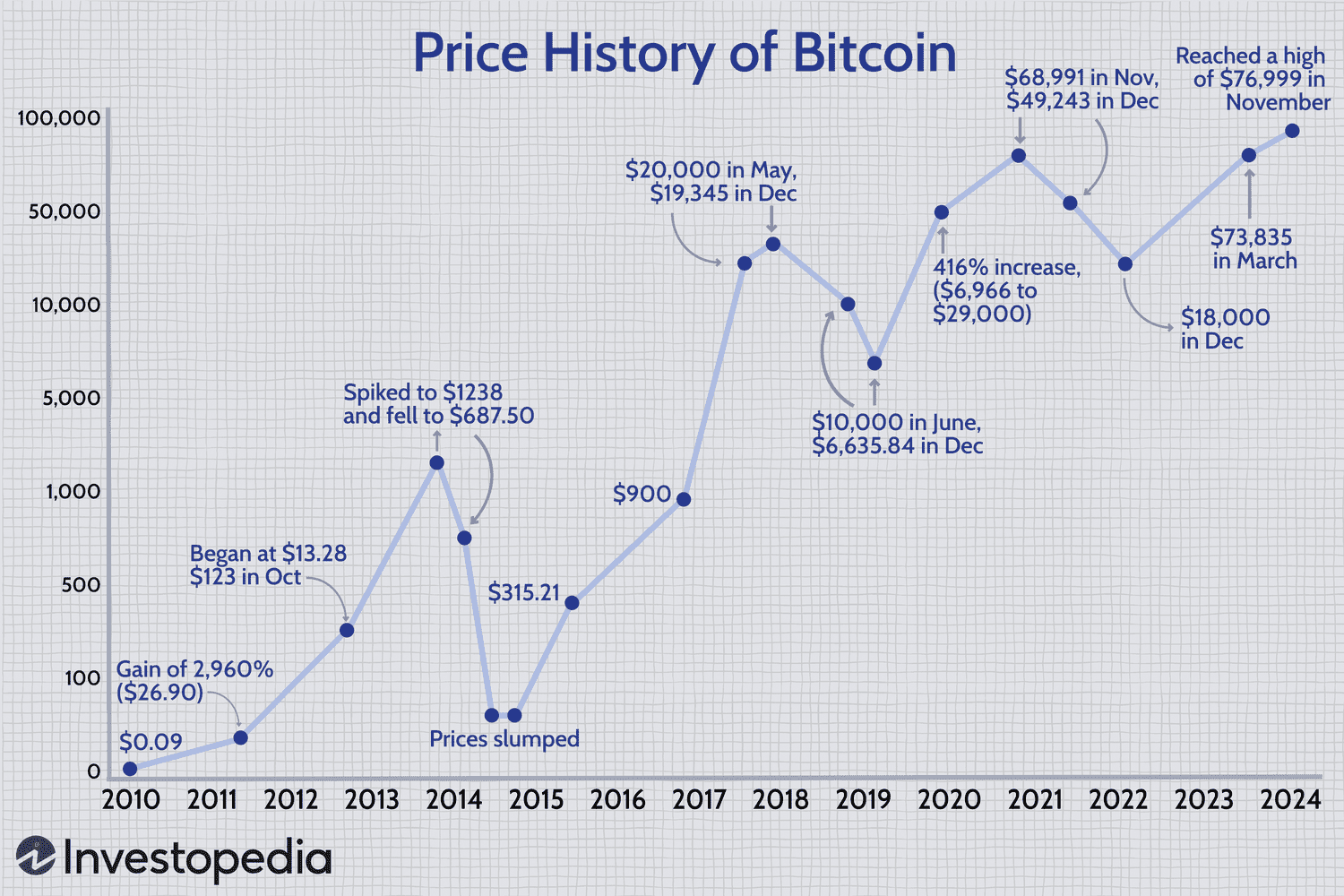
Investors may choose a spot Bitcoin ETF for several compelling reasons:
Direct Bitcoin Exposure: A spot Bitcoin ETF provides direct exposure to Bitcoin's price movements. Investors can gain cryptocurrency exposure without worrying about purchasing and storing it themselves.
Convenience: Investing in a spot Bitcoin ETF offers convenience for investors who prefer traditional investment vehicles like ETFs over managing private keys and digital wallets.
Liquidity: ETFs trade on stock exchanges, providing liquidity and ease of buying and selling compared to purchasing and selling actual Bitcoin on cryptocurrency exchanges.
Diversification: Investors seeking to diversify their portfolios may consider spot Bitcoin ETFs as a way to include cryptocurrency market exposure alongside traditional asset classes.
Risk Management: Some investors view spot Bitcoin ETFs as a method to manage risks associated with cryptocurrency market volatility. While ETFs remain subject to market forces, they might be perceived as less risky than holding cryptocurrency directly.
When Were Spot Bitcoin ETFs Approved in the US?
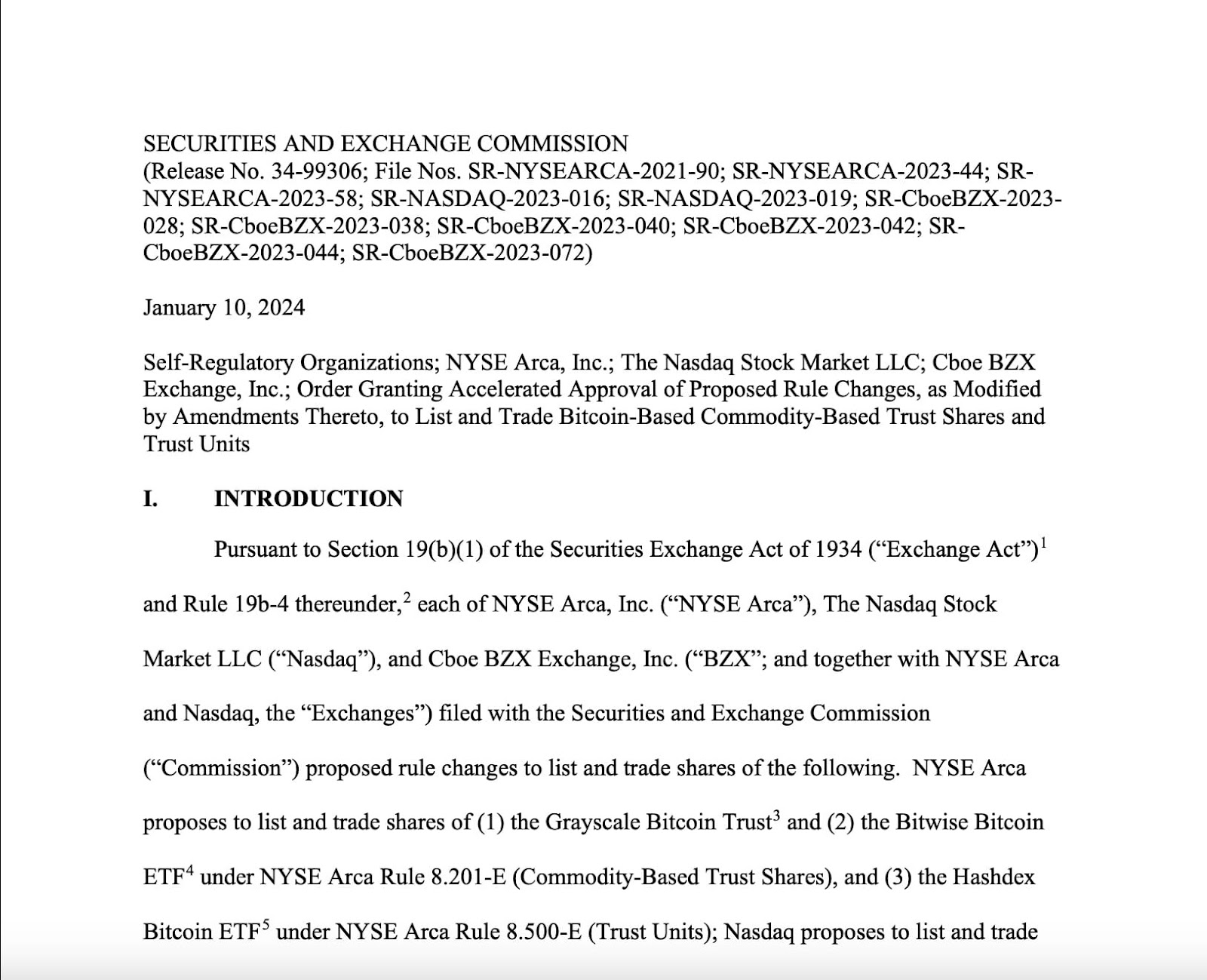
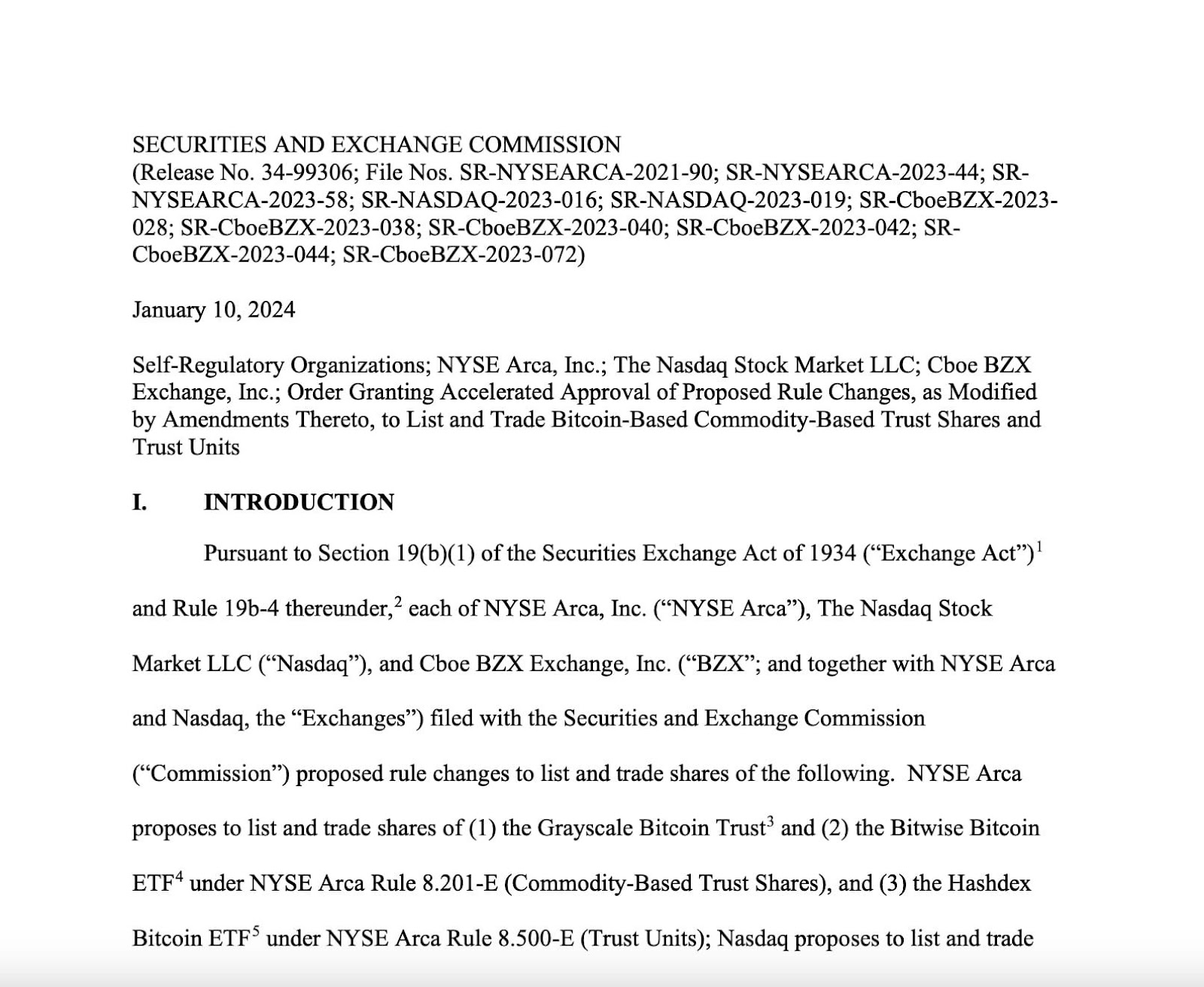
The United States Securities and Exchange Commission (SEC) approved spot Bitcoin ETFs on January 10, 2024. On this historic day, eleven spot Bitcoin ETFs received approval from Bitwise, Grayscale, Hashdex, BlackRock, Valkyrie, BZX, Invesco, VanEck, WisdomTree, Fidelity, and Franklin. Two of these ETFs represented conversions from previous products.
Trading for the approved funds began on January 11, 2024, marking a major milestone in the integration of Bitcoin into regulated U.S. financial markets. Multiple asset managers received approval simultaneously, including both newly launched products and conversions from existing investment vehicles.
Regulatory Approval: What Happened?
The approval process drew significant attention due to a brief period of public confusion. A compromised social media post and premature disclosures led to uncertainty around the timing of approval. Despite this, the SEC formally confirmed the approvals through official filings, and trading commenced as scheduled the following day.
This episode highlighted the sensitivity of regulatory communications but did not alter the final outcome.
Spot Bitcoin ETFs vs Bitcoin Futures ETFs?
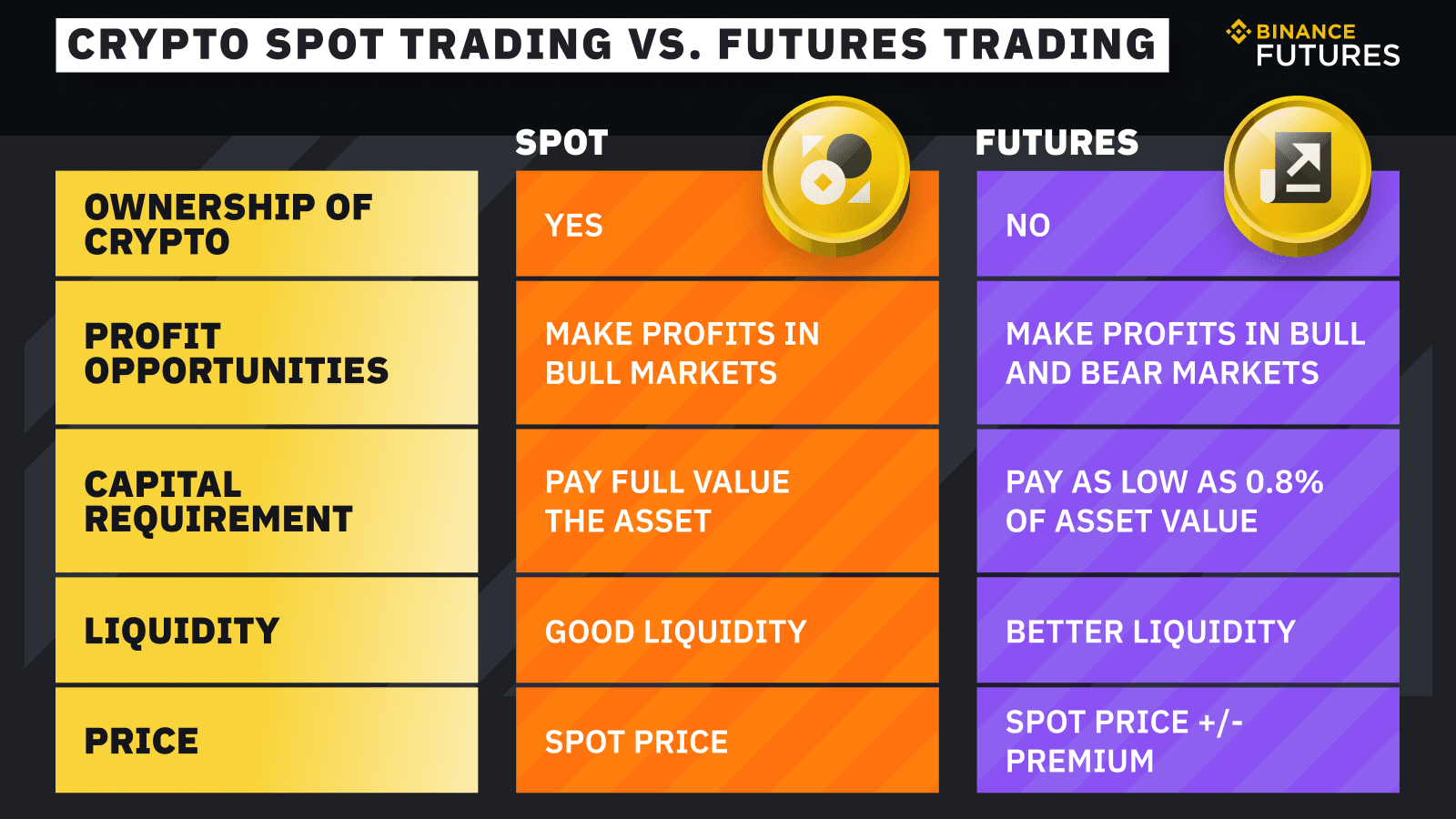
Both spot Bitcoin ETFs and Bitcoin futures ETFs have received approval in the United States. Each type of ETF offers distinct advantages and considerations, and what might be considered "better" varies depending on individual circumstances. Here are key points to consider for each type:
Spot Bitcoin ETFs
Direct Ownership: Spot Bitcoin ETFs provide direct Bitcoin ownership, meaning the fund holds the actual cryptocurrency. This appeals to investors seeking direct exposure to Bitcoin's price movements.
Simplicity: Spot Bitcoin ETFs feature straightforward structures that track Bitcoin's spot price. Investors need not navigate the complexities of futures contracts.
Bitcoin Futures ETFs
Speculative Opportunities: This ETF type allows investors to gain Bitcoin exposure through futures contracts, which can introduce speculative opportunities. However, this also comes with increased complexity and potential risks.
Leverage: Some Bitcoin futures ETFs may incorporate leverage, amplifying both potential gains and losses.
Market Dynamics: Bitcoin futures ETFs may be influenced by factors such as futures market structure, roll yields, and the term structure of futures contracts.
Ultimately, choosing between spot Bitcoin ETFs and Bitcoin futures ETFs depends on factors including the investor's risk appetite, familiarity with financial derivatives, and preference for direct ownership of the underlying asset.
How Do Investors Access Spot Bitcoin ETFs?
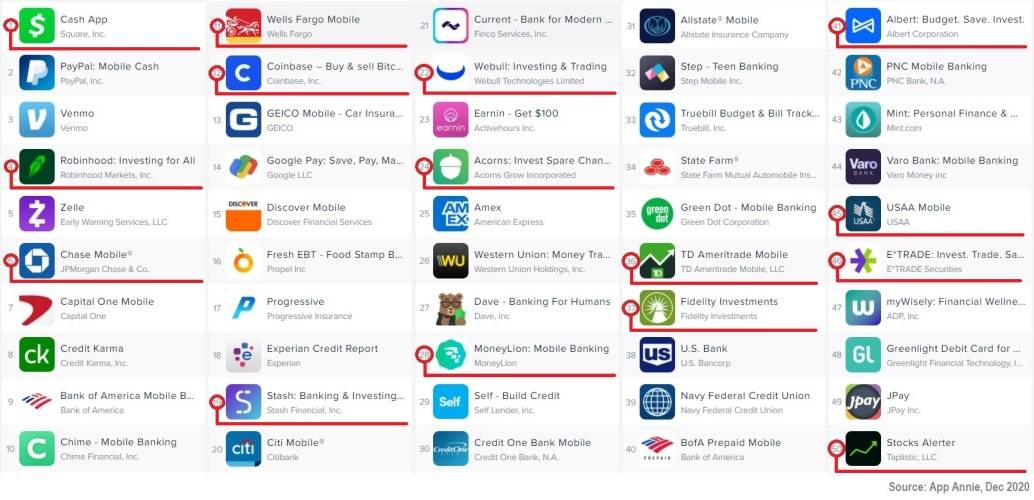
Investors can access spot Bitcoin ETFs through traditional stock exchange platforms such as Cboe, NASDAQ, and the New York Stock Exchange (NYSE).
Investment applications such as Robinhood also allow users to purchase spot Bitcoin ETFs. As with any investment, investors should review fund prospectuses, fee structures, and custodial arrangements before investing.
It remains important to note that investors should conduct thorough research, understand the risks involved, and consider their investment goals before choosing any investment vehicle, including spot Bitcoin ETFs.
Who Should Consider a Spot Bitcoin ETF?
Spot Bitcoin ETFs may be appropriate for investors who:
- Want long-term exposure to Bitcoin’s price
- Prefer regulated investment vehicles
- Do not wish to manage self-custody or private keys
- Are comfortable with Bitcoin’s volatility
They may be less suitable for investors seeking short-term leveraged exposure or those who require direct on-chain control of assets.
Risks and Key Considerations
Although spot Bitcoin ETFs simplify access, they do not eliminate risk. Key considerations include Bitcoin’s inherent price volatility, reliance on third-party custodians, management fees, and potential regulatory changes affecting digital assets.
Investors should evaluate how Bitcoin exposure fits within their overall financial goals, risk tolerance, and investment horizon.
This article is published on CryptoThreads, a platform focused on explaining cryptocurrency-related investment products within established financial and regulatory frameworks. Rather than emphasizing short-term price movements, the publication prioritizes clarity around product structure, custody, and investor risk—an approach particularly relevant when assessing regulated instruments such as spot Bitcoin ETFs. This context supports readers who are evaluating Bitcoin exposure through traditional capital market vehicles rather than direct participation in crypto-native infrastructure.
The analysis is written by ByteByByte, whose work centers on data-driven examination of digital asset markets and exchange-traded investment products. Drawing from prior analysis of spot and derivatives-based instruments, the discussion applies familiar market principles—such as asset backing, price tracking, and custody considerations—to Bitcoin ETFs. This perspective helps translate complex mechanics into practical insights, allowing investors to better understand how spot Bitcoin ETFs function within a regulated investment environment.
Conclusion
Spot Bitcoin ETFs offer a regulated and accessible way to gain direct exposure to Bitcoin’s market price without the operational challenges of self-custody. Their straightforward structure makes them appealing to investors seeking long-term Bitcoin exposure within traditional financial systems. However, they remain volatile instruments and should be evaluated carefully within the context of an investor’s broader portfolio and risk tolerance.
Source:
- SEC Approval of Spot Bitcoin ETFs – SEC
https://www.sec.gov/news/statement/spot-bitcoin-etfs- Spot vs Futures Bitcoin ETFs – Fidelity
https://www.fidelity.com/learning-center/trading-investing/spot-vs-futures-bitcoin-etf- Bitcoin ETF Custody Explained – BlackRock
https://www.blackrock.com/bitcoin-etf-custody
FAQs
A spot Bitcoin ETF holds real Bitcoin as its underlying asset, with the fund purchasing and storing Bitcoin through regulated custodians. Share values reflect the spot market price of Bitcoin rather than derivatives.
