Buried Tax Change in White House Crypto Report Could Revolutionize Bitcoin Mining
A buried tax detail in the White House’s new crypto report might be the best news Bitcoin miners have heard in years.
- The proposal hints at taxing mining rewards only when sold, not when mined, similar to gold
- This could cut double taxation and attract more mainstream adoption
- BitFuFu sees this as a big win for the U.S. mining sector despite tariff concerns
In its 168-page report released last week, the White House laid out a sweeping vision for crypto regulation, touching everything from stablecoins to tax reform. But while most eyes were on the big headlines (like the proposed bitcoin reserve), BitFuFu’s CEO Leo Lu says there’s a hidden gem buried inside: a potential shift in how bitcoin mining income is taxed.
Currently, U.S. miners are taxed on the fair market value of BTC the moment it’s mined. That means they pay tax on rewards before they even sell them, and then again later on capital gains if prices rise. It’s a system many have criticized for years as unfair and inefficient.
The report suggests that it could change.
Lu explains that the proposed guidance urges the IRS and Treasury to reconsider when mining income is recognized. If successful, miners may only need to report income when they sell the bitcoin, just like how commodities like gold are taxed.
That shift would be massive:
- It removes the risk of double taxation
- It simplifies miner accounting
- And it treats bitcoin more like the “digital gold” it’s often compared to
Lu believes this would have a cascading effect, opening doors for traditional credit and financial services to support mining ops, bringing Bitcoin even closer to mainstream financial infrastructure.
“If miners can report income from Bitcoin’s point of sale in the future, their reported income numbers will greatly change.”
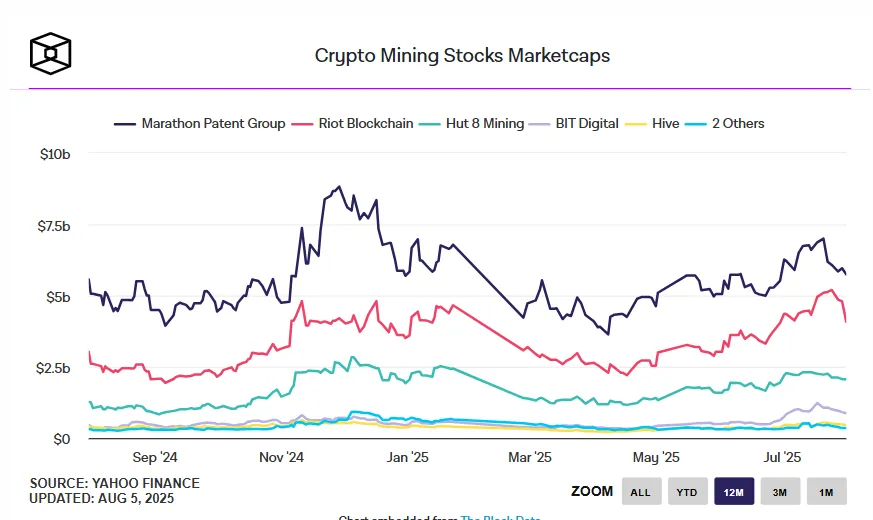
And the impact could go beyond miners. Several pending bills in Congress aim to do exactly this: defer tax until crypto rewards are sold. The White House report suggests these efforts are gaining traction, and broader adoption of these policies could follow.
Even Trump’s tariffs aren’t slowing optimism.
Some miners have raised concerns over rising hardware costs tied to Trump’s tariffs, but BitFuFu says U.S. operations can weather the storm. With access to affordable and increasingly renewable energy, especially in places like Oklahoma, Texas, and Colorado, domestic miners can still maintain competitive margins.
Lu says U.S. policy momentum is giving miners something they haven’t had in a while: long-term clarity.