


Why Is Bitcoin So Volatile? - A Complete Guide for Beginners

Summary
Bitcoin is volatile because it is a relatively young asset with limited supply, uneven liquidity, strong emotional trading behavior, and high sensitivity to news, regulation, and large investors. Until the market matures further, sharp price swings remain a defining characteristic of Bitcoin.
Bitcoin’s volatility comes from a combination of structural and psychological factors. A fixed supply of 21 million coins, heavy influence from large holders, rapid news cycles, unclear regulation, and investor emotions all amplify price movements. While volatility may decrease as adoption grows, it remains an essential feature of Bitcoin today.
Introduction to Bitcoin's Volatility
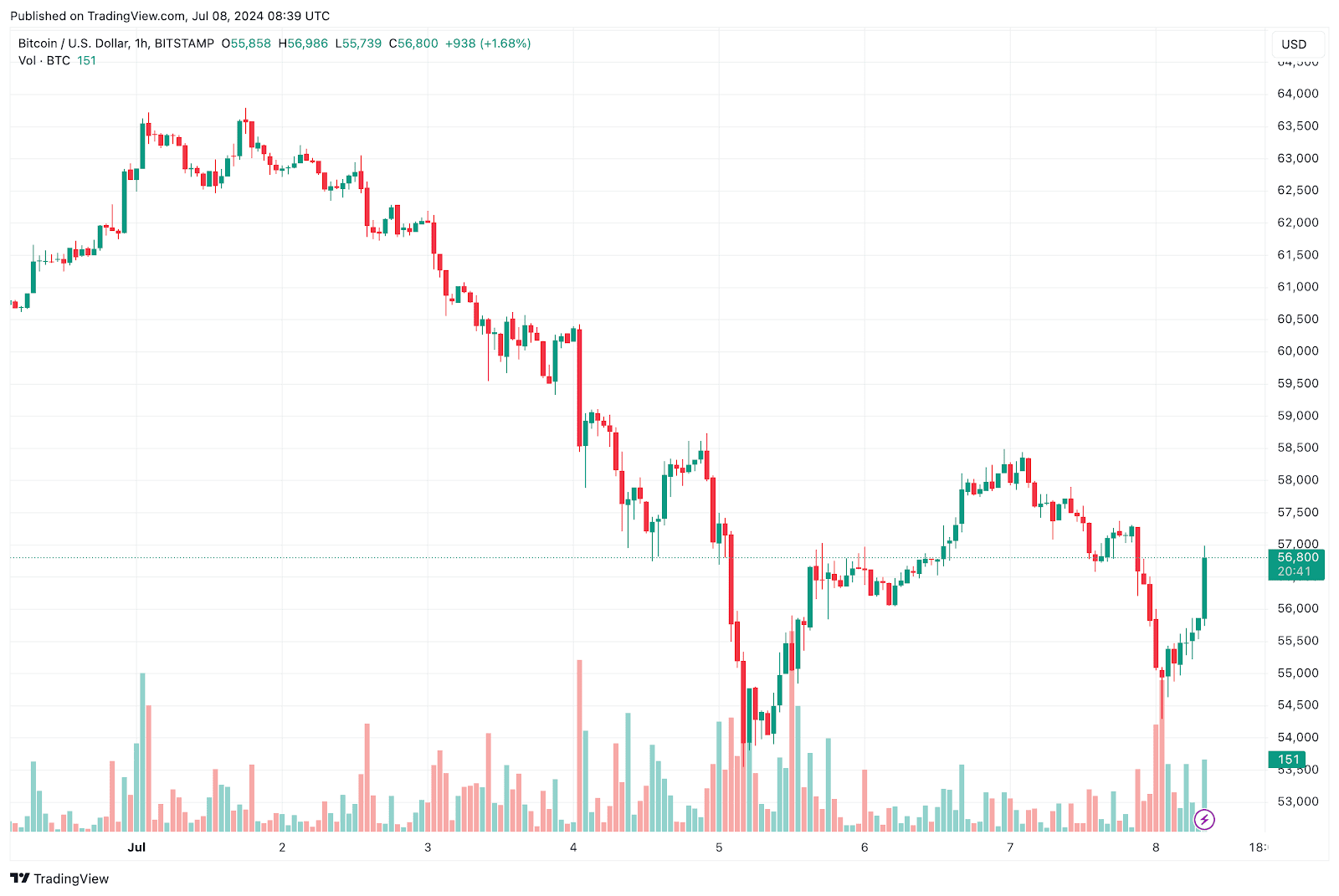
Bitcoin, the world's first digital currency, is famous for its extremely dramatic price changes. To understand this better, imagine a roller coaster - that's exactly how Bitcoin's price behaves.
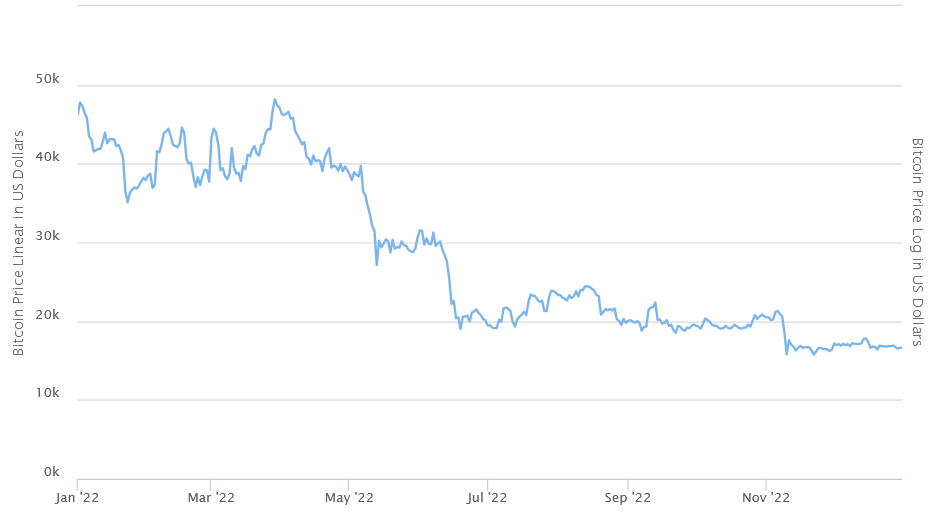
Over the past decade, the price of one Bitcoin has risen from just a few cents to over $74,000 at its peak. However, it has also experienced severe drops, sometimes losing more than 80% of its value in short periods. This makes many people wonder: why does Bitcoin "dance" so wildly?
For beginners, this raises a natural question:
Why does Bitcoin’s price move so wildly compared to traditional assets like stocks or gold?
The answer lies in Bitcoin’s market structure, psychology, and stage of development.
Bitcoin Is Still "Young" in the Financial World
To understand why Bitcoin is so volatile, we first need to realize that Bitcoin is still a "child" in the financial world. Unlike gold or the US dollar that have existed for hundreds of years, Bitcoin only appeared in 2009.
Think of this like a newly opened store. Initially, no one knows how much the products are worth, so prices constantly change as people try to figure out their true value. Bitcoin works the same way - the market is still "learning" how to price it.
Read more: What is Bitcoin? (Beginner’s Guide)
Because Bitcoin is still discovering its long-term value:
- Investors disagree on fair pricing
- Small demand shifts can cause large price moves
- Narratives change quickly as adoption evolves
This “price discovery phase” naturally leads to volatility.
Limited Supply Creates Scarcity
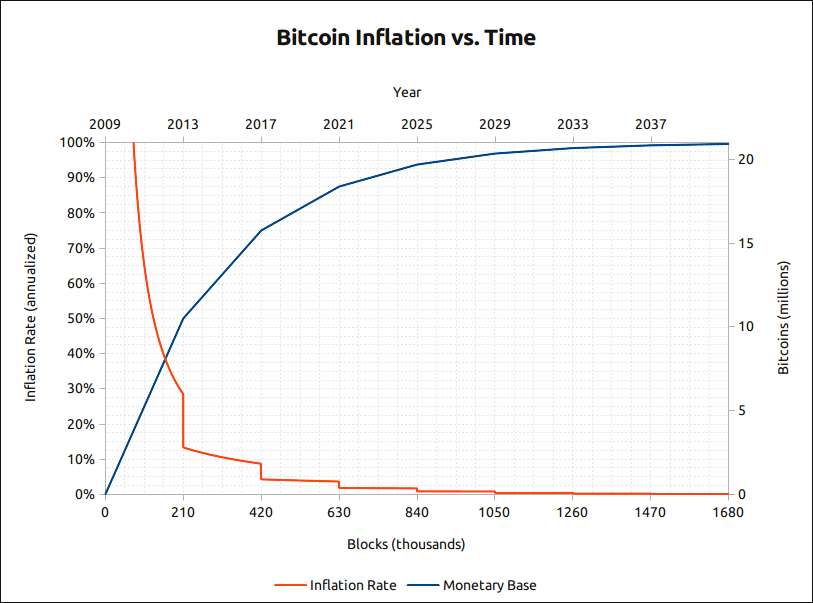
Bitcoin has a special characteristic: there will only ever be a maximum of 21 million Bitcoins created. This is like having a rare antique - the fewer there are, the more valuable they become.
When demand increases but the available number of Bitcoins doesn't change, prices will rise sharply. Conversely, when many people want to sell at the same time, prices can drop very quickly because there aren't enough buyers.
The Influence of Bitcoin “Whales”

In the Bitcoin world, there are investors who own very large amounts of Bitcoin, called "whales." Imagine a small pond - when a large whale jumps in, it creates big waves that affect the entire pond.
Similarly, when these "whales" decide to buy or sell large amounts of Bitcoin, they can cause significant price changes. This happens because the Bitcoin market is still relatively small compared to traditional financial markets.
Liquidity Issues in an Immature Market
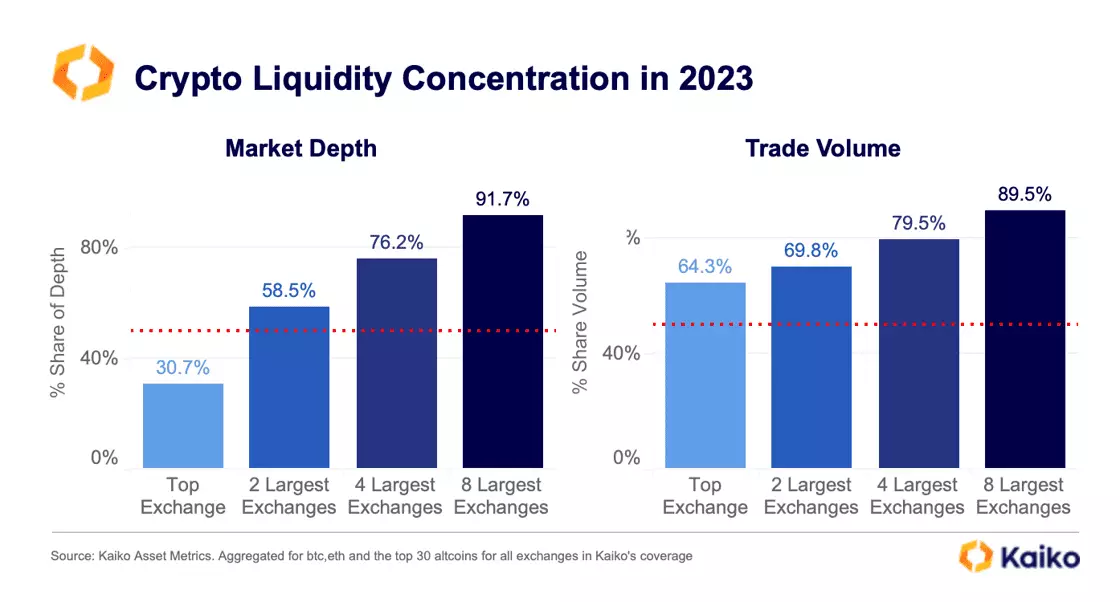
Liquidity is the ability to buy or sell an asset without significantly affecting its price. Think about selling a car versus selling an ancient castle.
A car can be sold quickly because many people are interested, but an ancient castle would be harder to sell because few people can afford it. The Bitcoin market is sometimes like selling a castle - when someone wants to buy or sell large quantities, finding trading partners isn't easy, leading to price volatility.
Manipulation by Large Market Makers Due to Unclear Legal Framework
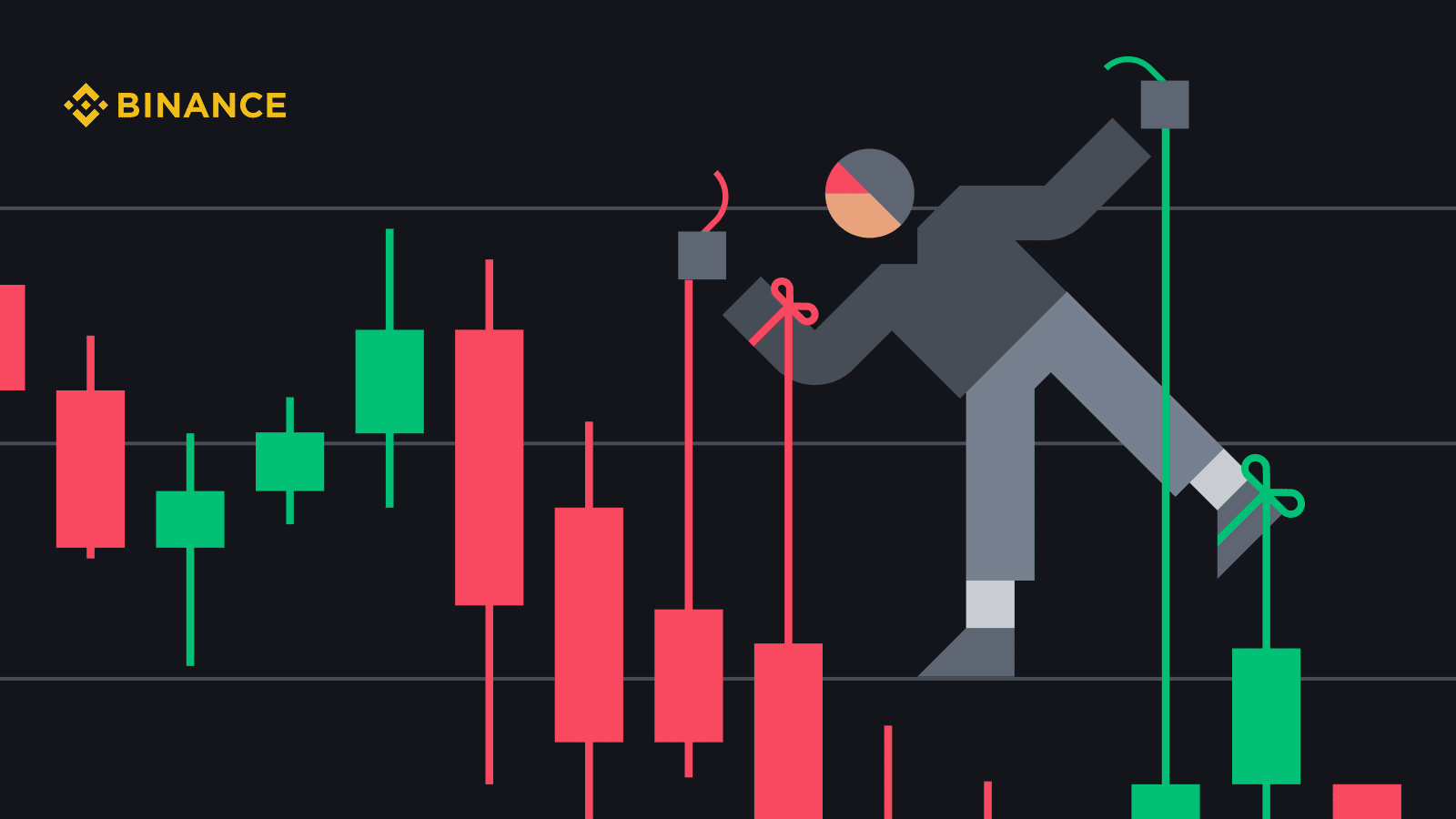
Another important factor contributing to Bitcoin's volatility is the lack of clear legal regulations. This creates an environment where large Market Makers (MMs) can engage in behaviors that would be considered illegal in traditional stock markets.
What are Market Makers? Simply put, they are organizations or individuals with large capital who continuously place buy and sell orders to create liquidity for the market. However, in the loosely regulated crypto market, some MMs might:
- Create fake price movements: They can place large buy/sell orders to create the impression that the market is "buzzing," then cancel these orders at the last minute
- Control prices in short periods: Use large capital to push prices up or down during specific timeframes for profit
- Create "traps" for small investors: Make retail investors believe the market is going in one direction, then suddenly reverse
Why can this happen? Unlike stock markets that have strict regulatory bodies like the SEC (US) or SSC (Vietnam) with stringent rules, the cryptocurrency market is still building its legal framework. This absence creates a "gray area" that large MMs can exploit.
This explains why sometimes you see Bitcoin's price suddenly spike or crash without any important news. It could be the result of manipulation activities from big "players" in the market.
Read more: Complete Guide to Safely Storing Bitcoin
Key Factors Affecting Bitcoin Price Basic Supply and Demand Laws
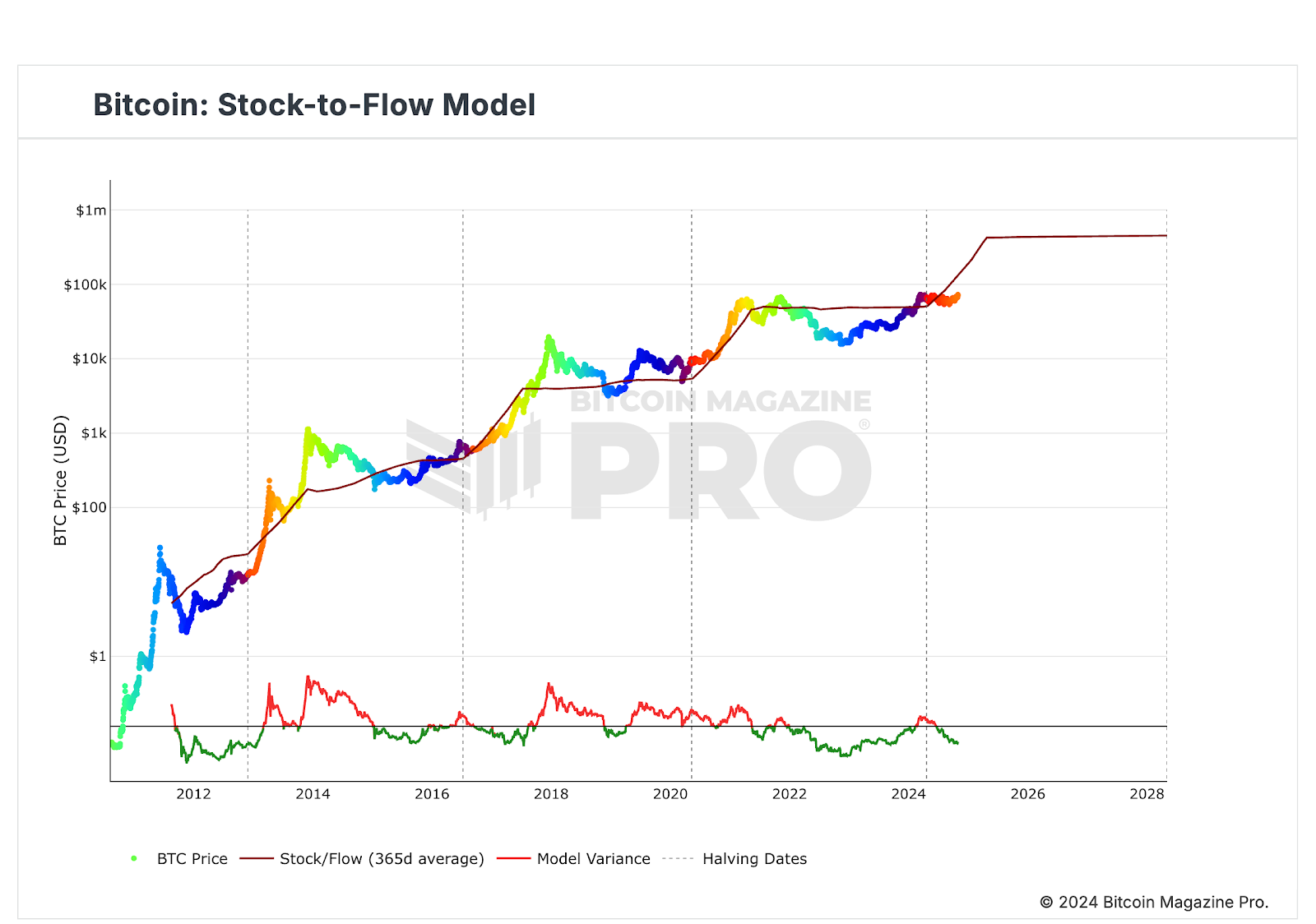
Like any other product, Bitcoin's price is determined by two simple factors: how many people want to buy and how many people want to sell.
When more people want to buy Bitcoin than sell it, the price will rise. Conversely, when more people want to sell than buy, the price will fall. What's special about Bitcoin is that the quantity that can be "produced" is limited, making this supply-demand relationship more sensitive.
Behavior of Large Investors
As mentioned, large investors can strongly impact the market. When they decide to sell a large portion of their Bitcoin, the sudden increase in supply can cause prices to drop sharply.
Conversely, when they decide to hold or buy more Bitcoin, this can reduce market supply and drive prices higher. This behavior is often driven by fear or greed psychology, creating a domino effect in the investment community.
Impact of News and Media Coverage

News can have a very strong influence on Bitcoin prices. Positive news from a large company or government can make prices skyrocket within hours. Conversely, negative news about regulations or security issues can cause prices to plummet.
Bitcoin reacts strongly to:
- Regulatory announcements
- ETF approvals or rejections
- Exchange hacks
- Government statements
- Influential social media posts
In the age of instant information, even rumors can trigger sharp moves before facts are confirmed.
What's special in the social media age is that news spreads very quickly. Sometimes, even unverified rumors can cause major fluctuations before the truth is clarified.
Read more: Ethereum vs Bitcoin: Key Differences
Market Sentiment - The Most Important Factor Emotions Drive Investment Decisions
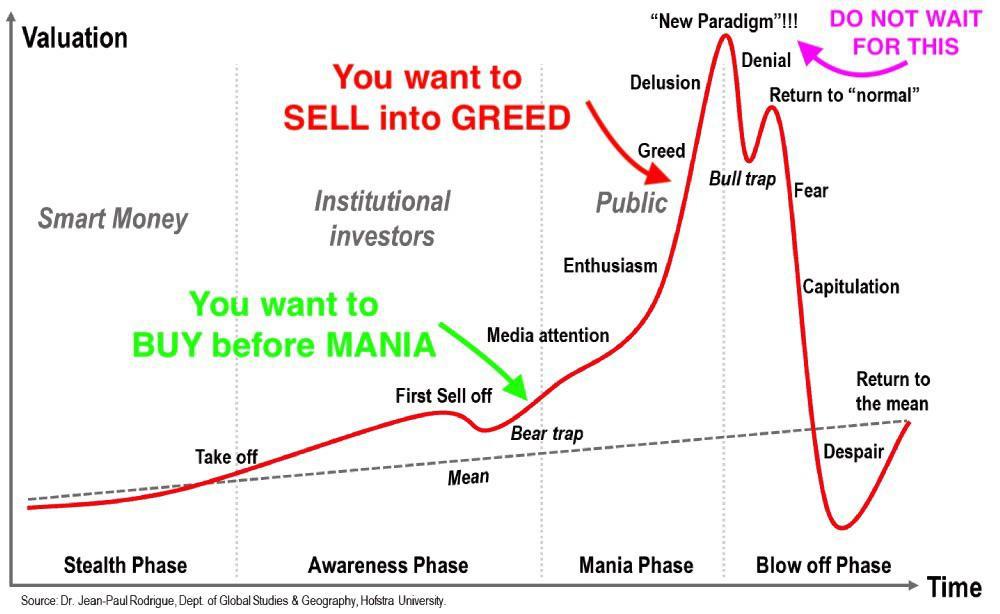
Market sentiment is the aggregate of all emotions and attitudes of investors toward a particular asset. This is very important because humans don't always make decisions based on pure logic.
Common cycles include:
- Fear of Missing Out (FOMO) during rallies
- Panic selling during corrections
- Herd behavior amplified by social media
These emotional reactions exaggerate price movements beyond fundamentals.
When the market rises, many people feel excited and want to buy more, fearing they'll miss profit opportunities. When the market falls, fear spreads and many people want to sell to cut losses. This creates a vicious cycle that amplifies volatility.
Influence of Celebrities and Large Organizations
A tweet from a famous entrepreneur or announcement from a major bank can make Bitcoin's price change by thousands of dollars in just minutes. This shows that the Bitcoin market is still very sensitive to external influences.
Statements from:
- High-profile entrepreneurs
- Major banks
- Governments
Can move Bitcoin’s price within minutes. This sensitivity shows Bitcoin’s narrative-driven nature during its growth phase.
Herd Behavior in Investment
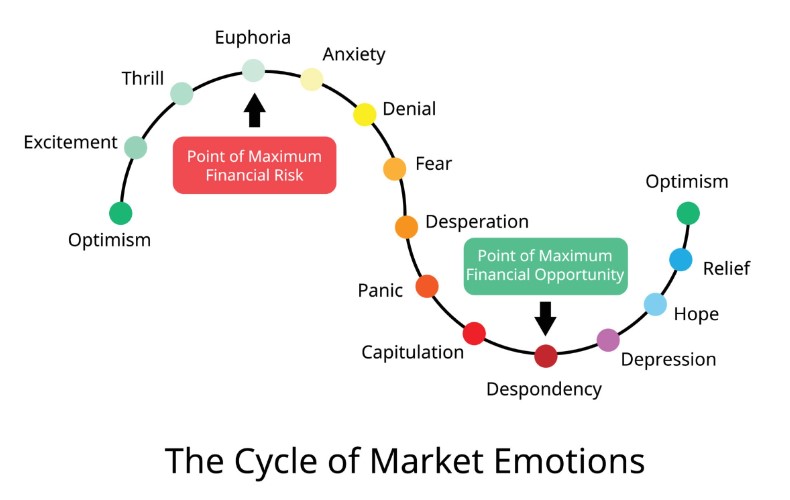
Humans tend to follow the crowd, especially when facing uncertainty. In the Bitcoin market, this phenomenon is amplified by social media and 24/7 news.
When people see prices rising, they fear missing out and rush to buy. When prices fall, they panic and sell off. This creates sharp rises and falls that don't match Bitcoin's fundamental changes.
Future Prospects The Market Is Maturing
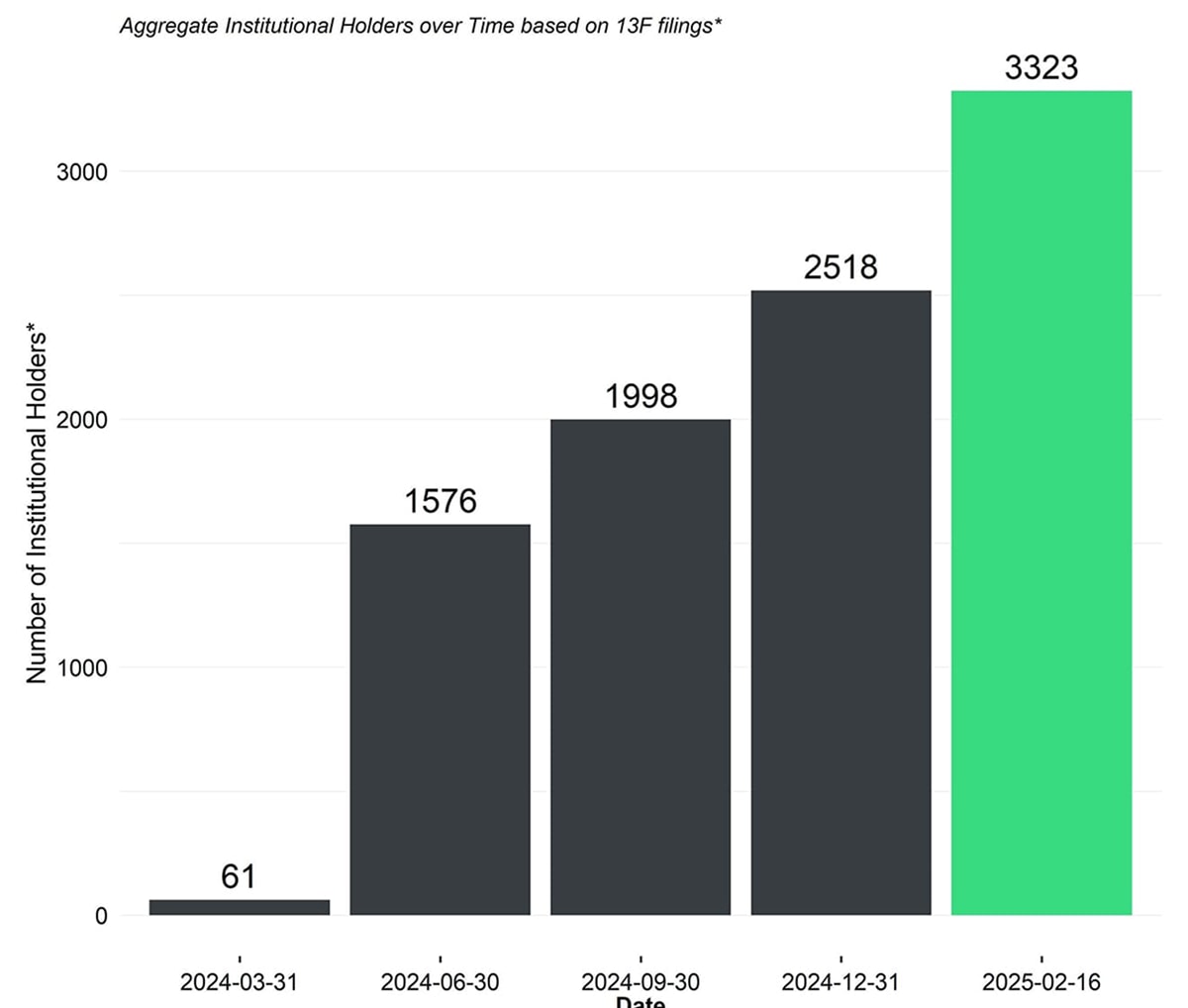
Although Bitcoin is currently still highly volatile, many experts believe the situation will improve over time. As the market becomes more mature, with more institutional investors participating and clearer regulatory systems, volatility may gradually decrease.
New Financial Products
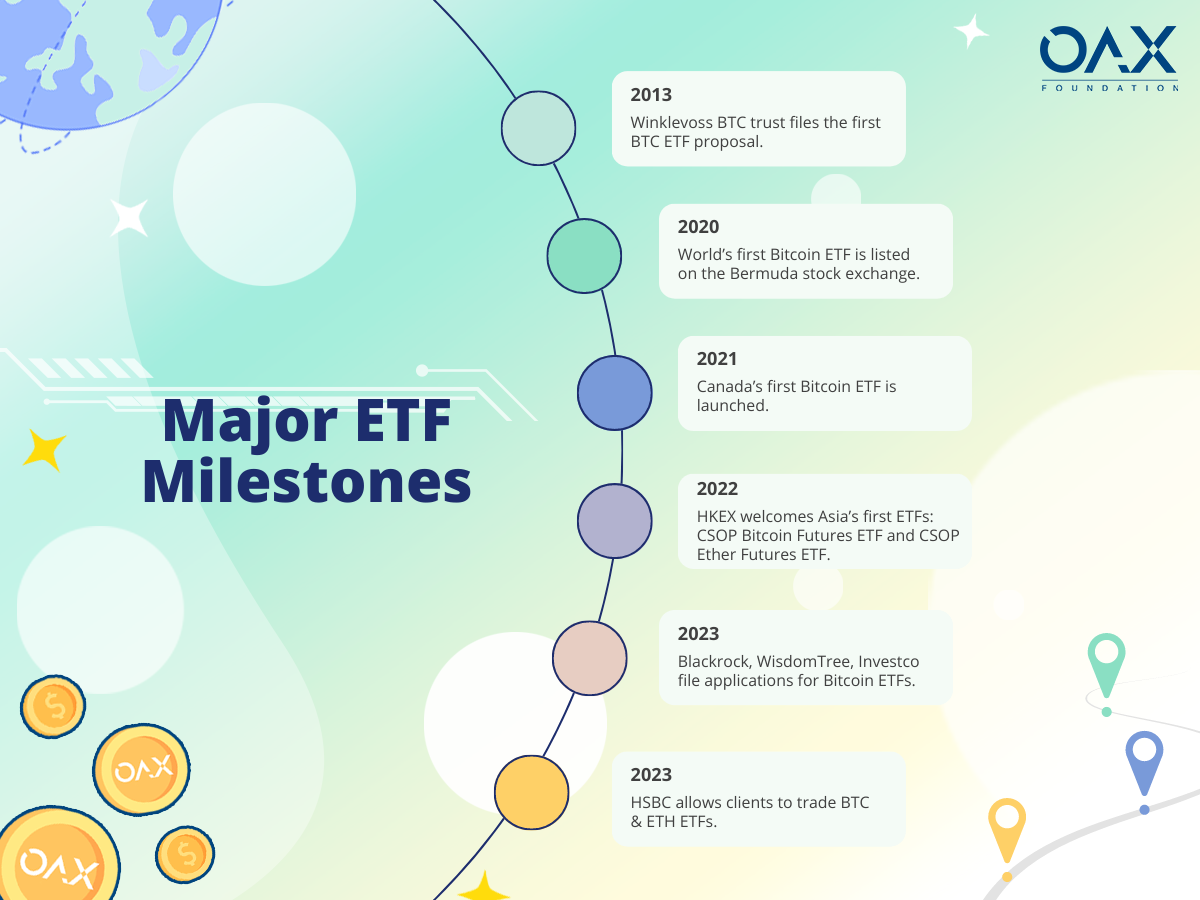
The emergence of Bitcoin ETFs and other financial products helps make the market more stable. These products allow traditional investors to access Bitcoin more easily while bringing greater liquidity to the market.
Is Bitcoin Becoming Less Volatile Over Time?
Many analysts believe volatility will gradually decline as:
- Institutional participation increases
- Regulatory clarity improves
- Liquidity deepens
- Financial products like ETFs mature
However, volatility is unlikely to disappear completely—scarcity and global speculation remain core features of Bitcoin.
This guide is published by Crypto Threads, an independent publication focused on cryptocurrency education, blockchain research, and market analysis. Crypto Threads emphasizes clarity, evidence-based explanations, and accessibility—especially for beginners navigating complex crypto topics.
The article is written by ByteByByte, a contributor at Crypto Threads specializing in market structure, on-chain analysis, and blockchain fundamentals. ByteByByte focuses on breaking down complex crypto concepts into clear, beginner-friendly insights grounded in data rather than hype.
Conclusion
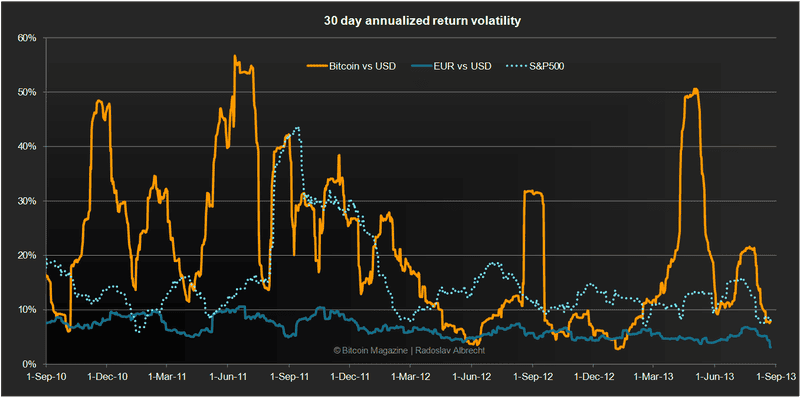
Bitcoin's high volatility stems from many complex factors: the immature nature of the market, limited supply, influence of large investors, news impact, and especially market sentiment.
For beginners, it's important to understand that this volatility both brings opportunities for large profits and carries high risks. Investing in Bitcoin requires understanding, patience, and the ability to accept risk.
As the market continues to develop and mature, we can expect volatility to gradually decrease, but until then, understanding these factors clearly will help investors make wiser decisions in this challenging world of cryptocurrency.
Bitcoin’s volatility is not a flaw—it is a byproduct of innovation. As a scarce, decentralized, and still-maturing asset, Bitcoin naturally experiences strong price swings. For beginners, understanding why Bitcoin is volatile is the first step toward managing risk and making informed decisions.
Volatility brings both opportunity and danger. Education—not prediction—is the most reliable edge.
Source:
- Investopedia – Why Is Bitcoin So Volatile? https://www.investopedia.com/articles/investing/052014/why-bitcoin-so-volatile.asp
- CoinDesk – Why Bitcoin Is So Volatile https://www.coindesk.com/learn/why-is-bitcoin-so-volatile/
- Fidelity Digital Assets – Understanding Bitcoin Volatility https://www.fidelitydigitalassets.com/articles/bitcoin-volatility
- Bitcoin.org – Bitcoin Monetary Policy & Supply https://bitcoin.org/bitcoin.pdf
- Bitbo Charts – Bitcoin Supply & Market Data https://charts.bitbo.io/
- Glassnode – On-chain Insights & Market Cycles https://glassnode.com/insights
FAQs
Because Bitcoin is newer, less liquid, and more influenced by emotion and speculation.
